
Search

Early Learning and Child Care Diploma students immerse in cultural exploration in New Zealand

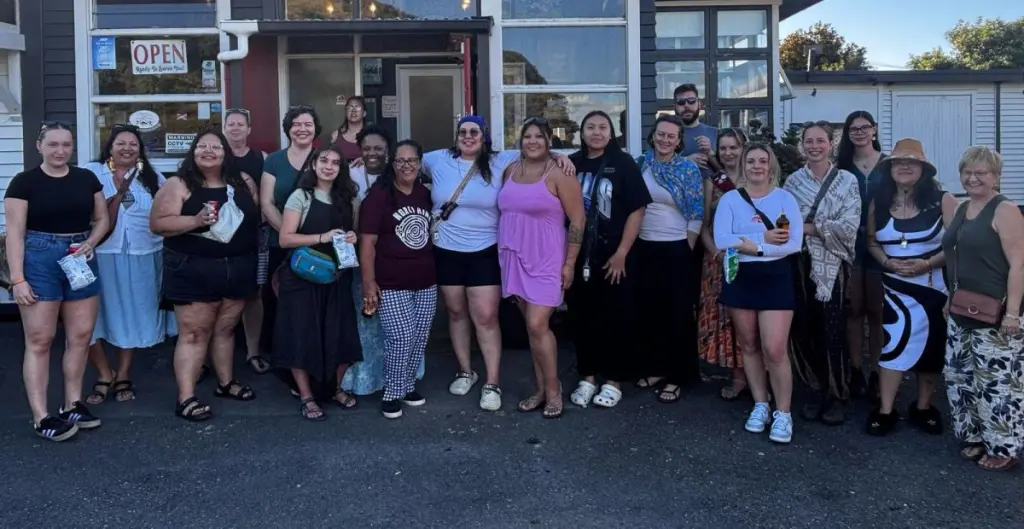
Students in the second year of Aurora College’s Early Learning and Child Care (ELCC) Diploma program participated in an Indigenous Early Child Care Education Field School in New Zealand in February 2025.

The field school was part of a collaborative project with three colleges from British Columbia (North Island College, Coast Mountain College, and Northern Lights College). Each school sent four students and one instructor; staff and students from North Island College were also accompanied by two Elders.

During the trip, our students had the opportunity to learn and work alongside organizations and educational institutions that specialize in promoting Māori language, culture, and tikanga (customs) within the early childhood and education system.

“Our students had the chance to see a holistic practice in action, gaining a better understanding of the ELCC field across Canada and New Zealand, especially in terms of Indigeneity,” said Janine Rommel, Program Head of Early Childhood Development. “Working alongside these schools and cultural organizations opens the doors for educators and students alike to enrich both their own education, as well as their teaching skills.”

Students noted they were able to learn and explore further the ideas of integrating culture in early childhood learning, while in some cases also gaining pride and confidence in their own Indigenous culture and language and carrying this forward in their journeys as educators.

During the February 17-28 trip, the group did some work and learning with Te Rito Maioha, an organization that provides support for early childhood education and offers degree programs, as well as promoting Māori language, culture, and tikanga within the education system. They also spent time at Te Whare Wānanga o Awanuiārangi Whakatane Campus, a well-known tertiary institution that offers programs emphasizing Māori language, culture, and education, as well as attending the Te Matatini Kapa Haka National Bi-Annual Festival, a prestigious and highly celebrated Kapa Haka (traditional Māori performing arts) festival held in Aotearoa (New Zealand).
Aurora College launches first WeldHER+ Workshop at Thebacha Campus

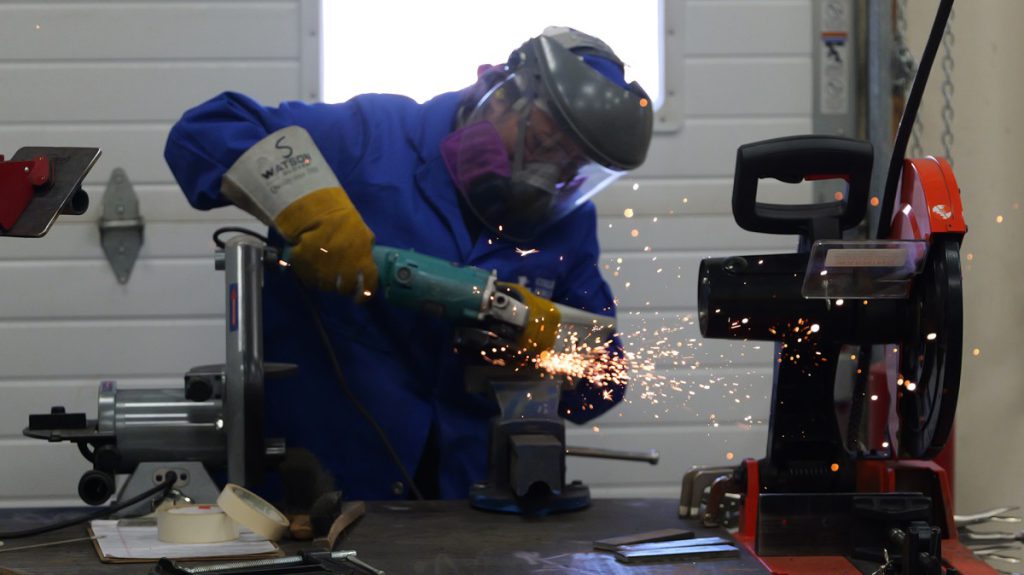
Aurora College’s School of Trades and Industrial Training partnered with the Native Women’s Association of the NWT to host its first WeldHER+ Workshop this April at Thebacha Campus in Fort Smith. Five women from across the territory completed 54 hours of hands-on introductory training in welding and joining. WeldHER+ is part of the Canadian Welding Bureau (CWB) Foundation’s Women of Steel™ initiative, which encourages women to explore careers in welding and the skilled trades. Participants attended the Fort Smith workshop between April 7 and 17 to develop technical skills, earn online micro-credentials, enhance employability, and become eligible for job placements — all at no cost. The Native Women’s Association sponsored travel, while Aurora College and CWB covered training costs.

“This was a perfect chance for women in the North to try welding and see if it’s a career they might enjoy,” said Duane MacDonald, Chair of the School of Trades and Industrial Training. “It was a real hit.”

MacDonald noted the college has worked closely with CWB for several years and welcomed the opportunity to bring this program north as a way to raise awareness about trades training. Participants this year came from Fort McPherson, Hay River, Fort Smith, and Kakisa.

Planning is already underway for next year’s workshop, with hopes of welcoming participants from every region of the NWT.

Aurora Research Institute Secures $565,000 in NSERC grants, honoured for science promotion

Aurora College’s Aurora Research Institute (ARI) has been awarded two major grants from the Natural Sciences and Engineering Research Council (NSERC), totaling $565,000 and also received NSERC’s 2024 Award for Science Promotion. The funding will expand opportunities for northern youth to engage in hands-on science, with a focus on climate change and its impacts across the Northwest Territories.

Chris Paci, Aurora College Vice President of Research, said the funding supports ARI’s commitment to science education in the North. “We are thrilled to receive these grants and award from NSERC PromoScience, which highlight our commitment to providing hands-on STEM learning to students and communities across the Northwest Territories,” he said. “The funding will help to propel us into the next stages of this work.”

Chris Black, North Slave Research Centre Outreach Coordinator at ARI, emphasized the national significance of the award. “The PromoScience award is national, and we were selected out of dozens of organizations across Canada for our work promoting science—that is exciting,” he said. “The funding is a key contributor to our year-round programming.”

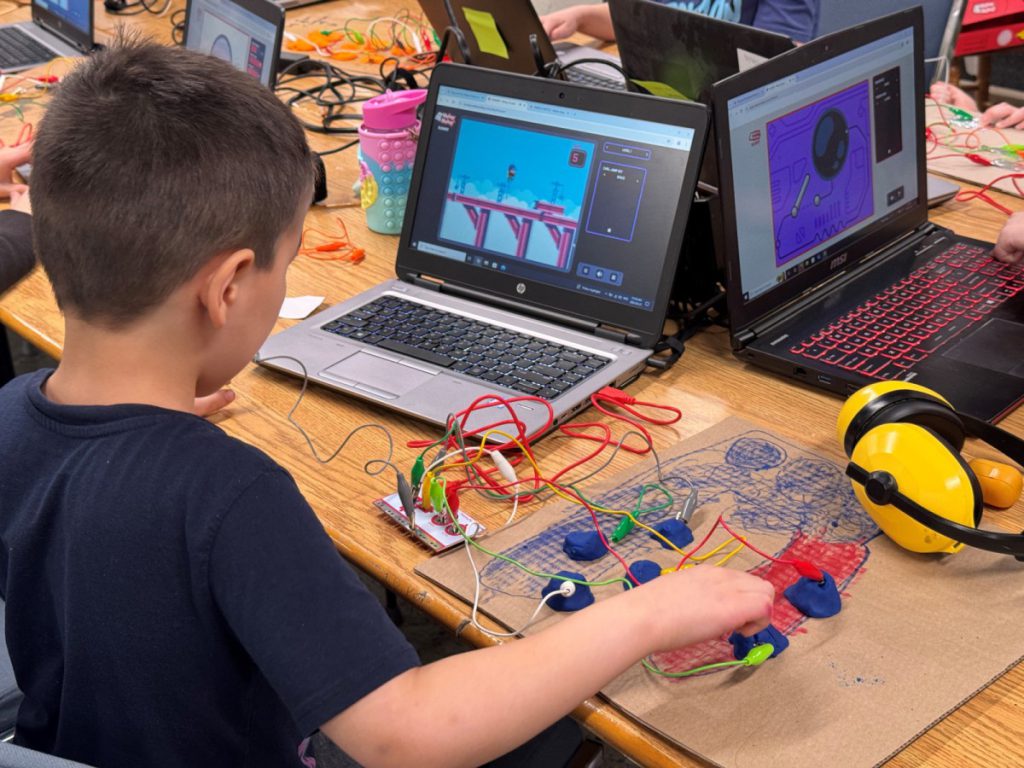
ARI’s STEM Outreach Program collaborates with local schools, Indigenous organizations, and partners such as Actua and Let’s Talk Science to provide free programming throughout the NWT. A key component of the ARI’s STEM Outreach Program is the focus on integrating Indigenous Knowledge, language, and culture into STEM learning. By working with Indigenous governments, Knowledge Holders, and Elders, the program creates opportunities for students to explore connections between Indigenous Knowledge and Western science. This approach fosters a safe space for youth to explore science through cultural practices, language, and their relationship with the natural environment, all while respecting traditional ways of knowing. The program also provides free career chats and visits from STEM professionals to encourage youth to see themselves in STEM roles.

The grants will support school visits, community events, teacher training, and ARI’s Equipment for Loans Program. The funds will also help purchase new equipment and cover travel and wages for ARI’s three full-time outreach coordinators.

Aurora College booths a hit at trade shows

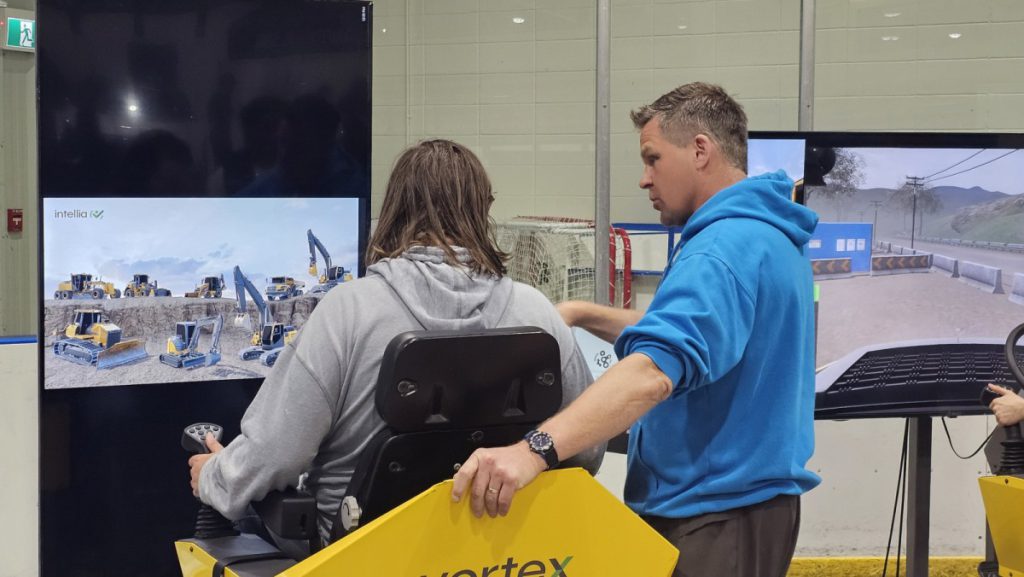
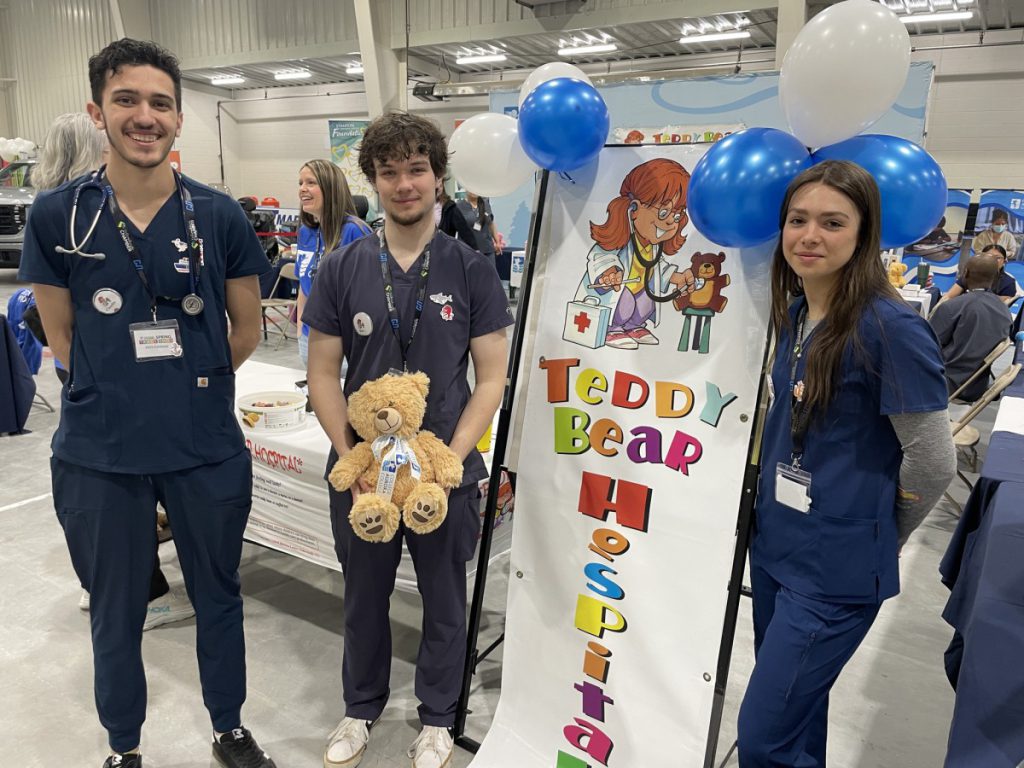
What do a Teddy Bear Hospital, Litter Learners Fun Zone and Heavy Equipment Simulators have in common? They were all featured in Aurora College’s interactive displays at the 2025 Yellowknife Chamber of Commerce Spring Trade Show May 10-11.

Students, faculty and staff from across the College showed off their programs while sharing fun and information with many of the more than 4,000 visitors and 500 exhibitors at the event. The School of Health and Human Services performed “check-ups” and provided “medical care” to stuffies of all shapes and sizes, while the Early Learning and Child Care program offered educational and traditional northern activities and free face painting to the hundred of children. Heavy equipment simulators that are used to train students prior operating the real vehicles were a hit for the School of Trades, Apprenticeship and Industrial Training.

Dallas Campbell, pipe trades instructor, noted: “Over the weekend we were able to talk to hundreds of people” about various programs that are offered at Aurora College. “I was able to meet potential students, of course, as well as parents of high school students. Parents were interested in what we had to offer.”

Aurora College was also the anchor exhibitor at the Thebacha Trade Show held in Fort Smith April 26. Aurora Research Institute shared information (and free tomato plants) about key research projects and community outreach programs; and interactive displays by the Environment and Natural Resources Technology program and School of Trades, Apprenticeship and Industrial Training sparked interest throughout the day.

New upgrading options in communities

Beginning in fall 2025, community-based students across the Northwest Territories will have access to more academic upgrading courses through Aurora College than ever before.

The online courses will help students attain the prerequisites to enter post-secondary programs, trades programs or employment. Many of the online courses scheduled for the 2025-2026 academic year have previously only been available in-person at Aurora College campuses.

The planned schedule for fall 2025 includes Biology 20, College and Career Preparation (CCP), English 10, English 11, Math 130, Math 140, Math 145, Science 130 and Science 140 (tentative). Academic upgrading is also available in person at our three campuses, part-time or full-time through Adult Literacy and Basic Education (ALBE), and full-time in-person through Occupations and College Access Program (OCAP) and University and College Access Program (UCAP).

Students can apply online at www.auroracollege.nt.ca or can get more information by emailing info@auroracollege.ca. The deadline for applications for fall courses is June 30. Aurora College does not charge tuition fees for ALBE students. Delivery of online ALBE courses is subject to minimum enrolment.

Convocation and Completion season are here!

As the warmth of spring returns, we at Aurora College are proud to celebrate another cohort of graduates and successful students. This season of renewal reflects the journeys of our learners—full of growth, change, and new beginnings.

Even though most of our post-secondary programs have wrapped up for the year, May and June are still busy months at Aurora College. May 12-18 we celebrated National Nursing Week and 30 years of delivering Northern Nursing Education. Our trades and academic upgrading students are hard at work finishing their courses and many students are completing practicums.

To celebrate our students, our campuses are preparing to host Convocations and Completion Ceremonies in late May and early June.

The deadline to apply for programs beginning in fall 2025 is June 30. It is also the deadline to apply for NWT Student Financial Assistance for fall programs.

Apply online or check out our programs at www.auroracollege.nt.ca; or email info@auroracollege.ca for more information.

Dr. Angela James

President, Aurora College