Search

north2north: Academic and cultural exchange in the Circumpolar North

As a member of University of the Arctic (UArctic) – a network of universities, colleges, research institutes and other educational institutions in the circumpolar North – Aurora College students, staff and faculty have a number of opportunities to enhance their learning.

One key opportunity is north2north, which offers exchange opportunities with other UArctic members across the circumpolar North. In recent years, a number of students, staff, and faculty from Aurora College have travelled to other Nordic and Arctic regions, including Iceland, Greenland, Denmark, Finland, Norway, Sweden, the United Kingdom and the United States. Canadian member institutions are from Yukon, NWT, Nunavut, Labrador, and Quebec.
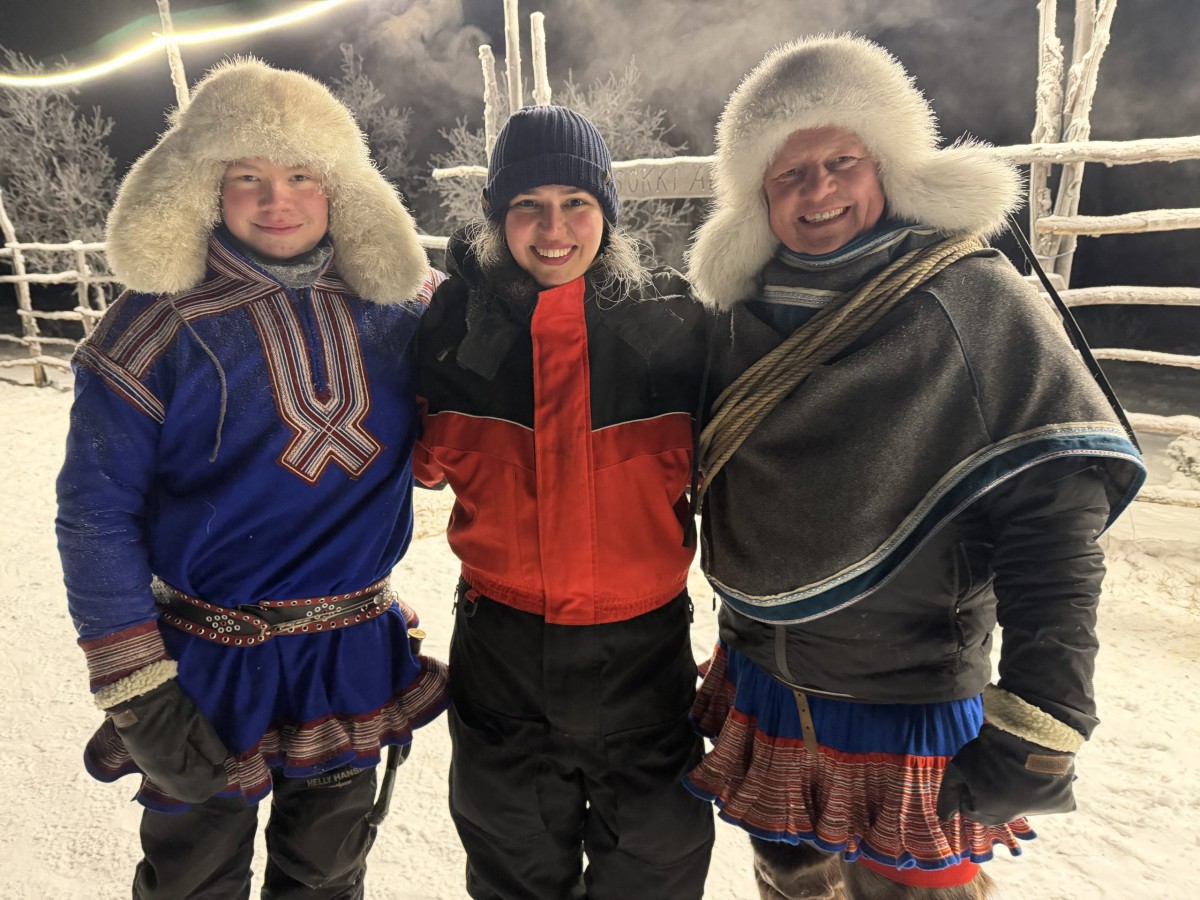
The flexible north2north program facilitates both short and longer-term encounters from a few weeks to a semester or a year in length. The aim of north2north is to provide northern students, faculty, and staff opportunities to share cultural and academic experiences across Nordic regions.

north2north participant Saraha Gillis is a second-year Office Administration student, born and raised in Yellowknife. She jumped at the opportunity to apply, as she had rarely previously travelled. Saraha says she has always been curious about the experiences of Indigenous peoples in other areas of the Circumpolar North and how they compare to the Northwest Territories.

Saraha was selected to travel to Finland and Norway for 10 days in November 2025 based on her application essay that linked the travel to her academic studies.

She journeyed to a number of destinations, including Helsinki, Rovaniemi, Inari, Kautokeino, and Alta. Her itinerary featured Arktikum Science Centre, Lapland University, Sami Education Institute, Siida Museum in Karasjok, Sami University of Applied Sciences, and University of Tromsø.

“It was an incredible experience,” exceeding her expectations. “You get to see so much, and you also get to engage with people from other cultures. We did things like reindeer rides and visited different campuses. It was also great to connect with the Sami people and have group discussions every night.”

Saraha shared the experience with nursing student Caitlin Seymour. A third-year Bachelor of Science in Nursing student and proud Metis woman from Fort Smith, Caitlin says she was attracted by the opportunity to meet new people from other cultures, especially Indigenous peoples in the circumpolar North.

“I’m Indigenous, so I grew up with a strong connection to my culture, and I’ve always loved learning about Indigenous cultures around the world—just to see the similarities and differences,” she notes.

Being able to contextualize her Indigenous culture within the Sami Indigenous cultures of Finland and Norway was something Caitlin found especially intriguing. “I didn’t learn a lot about nursing directly, but I learned a lot about myself as an Indigenous person. I did meet some people who shared their experiences with their healthcare systems, but that came up naturally in conversation.”
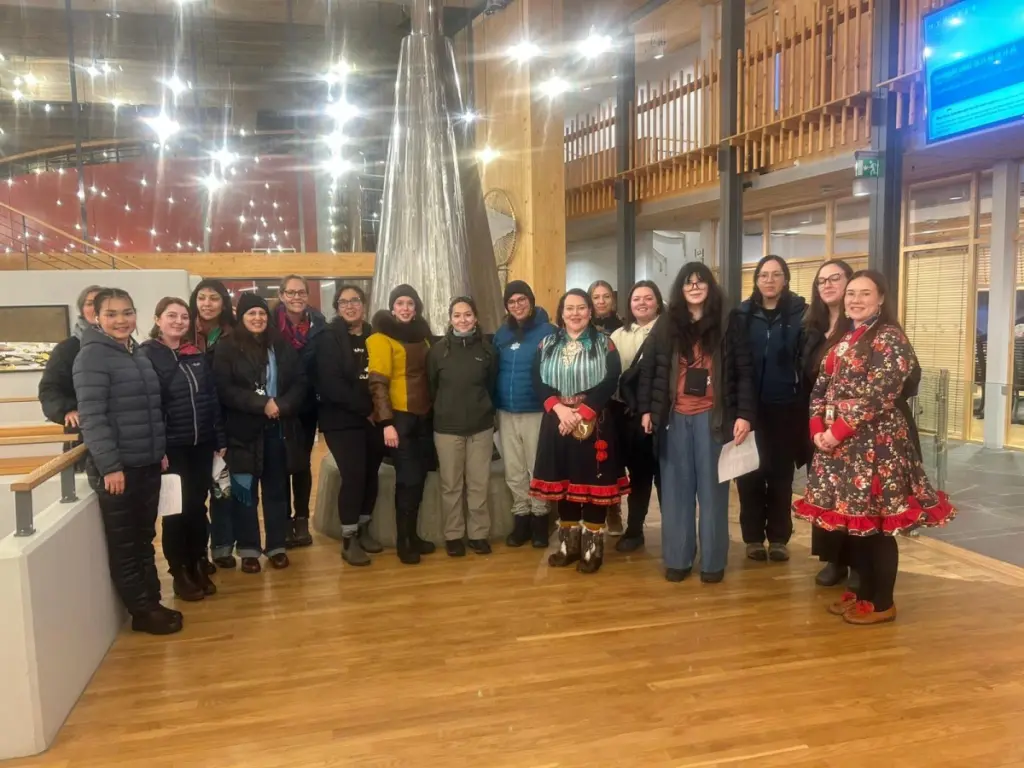
In many ways, the trip built on Caitlin’s previous efforts to share her life experiences with others in the region. For example, she had gained strong exposure to Sami and other cultures when she volunteered at the Arctic Winter Games in her community in 2018.

More recently, Caitlyn said second-year BSN class, “Relational Practice III: Connecting Across Differences”,  helped her to appreciate that understanding other cultures is key to being a better nurse practitioner.

“Last semester, we had a whole course on connecting across cultures, and I thought this trip would align really well with that, even though it wasn’t directly related to nursing, It’s a relational practice class, and it’s about learning to understand and engage with cultural differences.”

Gloria Bott, Bachelor of Science in Nursing program instructor, has been a strong advocate for north2north funding for cultural exchange programs.

“There’s a significant amount of personal growth,” Bott says of the program’s impact on students. “It’s been a steady program since its launch, and the research we’ve conducted has really highlighted how valuable these international experiences are, not just for the students but for the broader academic community. It’s been a wonderful opportunity that continues to grow.”

Find out more information about north2north
Academic Council will shape future academic standards

As Aurora College continues evolving toward becoming a polytechnical university, a big aspect of the ongoing success will be the effective implementation and operations of the new governing structure. The Academic Council is one of three elements of Aurora College’s new governance model – the others being the Board of Governors and the Indigenous Knowledge Holders Council.

The Academic Council is distinct in that it is composed of solely of Aurora College faculty, staff and students, and deals directly with decisions related to academic quality and standards.

The current Council is made up of 30 members, including 14 elected faculty, three elected staff, three elected students, three ex-officio members, and four members appointed by the College President. It advises the Board of Governors, makes recommendations on all academic matters, and is helping to build the College’s capacity to make academic decisions.

Amendments to the Aurora College Act in May 2022 laid out the framework for the Academic Council as one of the three governing bodies for Aurora College. The first Council came into being in November 2023.

Academic Council Chair, Dave Porter, notes that the Academic Council provides an opportunity for faculty and staff to be engaged in the academic direction of the College. It gives them a more  fulsome understanding of what is happening within the institution and how it operates. The Council also provides the ability to make some decisions rather than just recommendations.”

To date, the Academic Council has developed a terms of reference, reviewed several of the College’s processes, and clarified the roles and responsibilities of members.

Membership currently represents different NWT regions, academic programs and a mix of faculty, staff, senior management, and student representatives. The broad range of perspectives, is key to informing solid decision-making by the Council.

Resource, meeting place and heart of the College – Aurora College Libraries

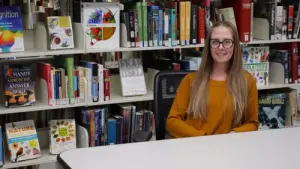
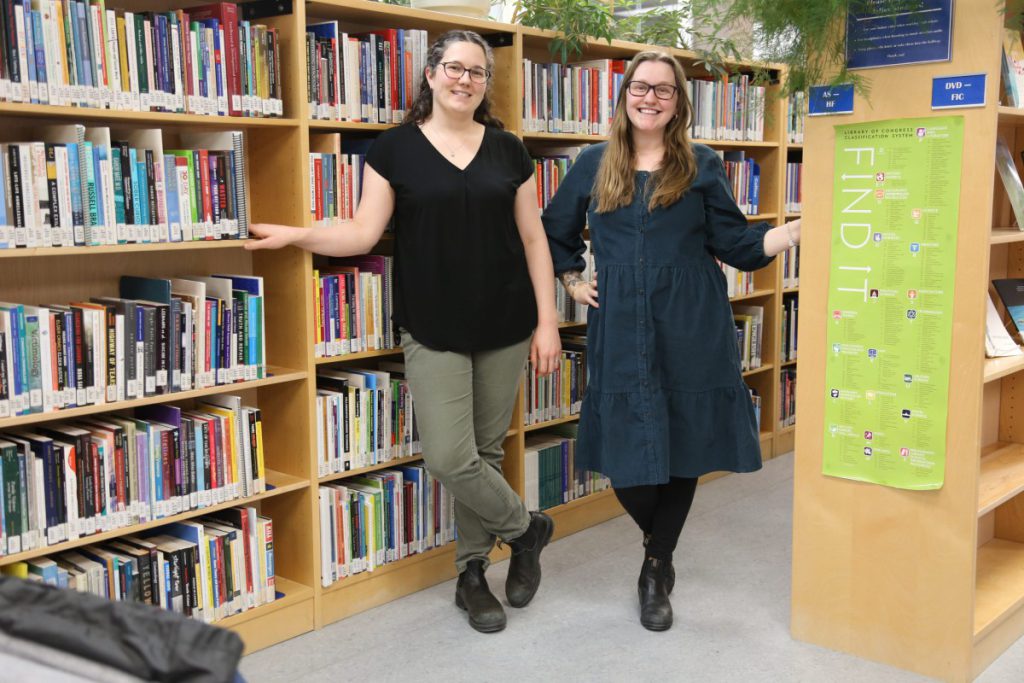
Welcome to the Aurora College Libraries! Aurora College has four library locations: Thebacha Campus Library in Fort Smith; Aurora Campus Library and Aurora Research Institute Library in Inuvik; and Yellowknife North Slave Campus Library. Open to students, staff, and members of the public, these four libraries host a variety of resources to support the informational needs and desires of the campus communities.

The academic libraries provide valuable and specialized support to staff and students through research assistance, in-person and online services, and a diverse, Northern-focused collection.

The campus libraries offer a wide physical collection of books, DVDs, and other print materials, with more than 48,000 items between the four locations, as well as an inviting space to work, study, or enjoy a favourite book. Aurora College’s unique collection features Northern and Indigenous materials that both support academic programs, and serve as general interest items for users looking to learn about the rich history of the NWT or discover new Northern and Indigenous authors.

Virtual Display

The three campus libraries are currently featuring a display titled Acting on Reconciliation: One Act at a Time. This monthly display, both in-person and online, features a number of actions that individuals can take towards reconciliation in Canada. More information about this display can be found on the page linked above. This display is one of many created and rotated on a regular basis at the campus libraries as a way to connect readers with new materials.

Space to study and learn

With a range of evening and weekend operating hours to accommodate diverse schedules, the libraries provide a place for people to gather and learn in a welcoming and friendly environment. Aurora Research Institute Library is currently undergoing revamping to increase accessibility and comfort.

Beyond the physical collection, Aurora College’s Libraries host a wide variety of resources online, located on the library website.  Patrons can connect with library staff via a quick and convenient chat service, explore new and featured books and resources, and access the online catalogue through the library search. The library website is also home to information about services, hours, and contact information. Through the online collection, staff and students have instant access to resources such as scholarly literature, eBooks, and streaming services.

Library Staff

Library staff regularly develop program-specific research guides, subject guides, and online displays to provide quick access to library materials and supplemental resources on a number of topics. This virtual support is critical as Aurora College continues to expand the selection of online courses and programs.

Whether it is guidance for research or a comfortable place to sit and read, Aurora College’s Libraries have it all. The welcoming and knowledgeable staff are happy to help in any way! Visit in person or connect online.

Northwestel partnership boosts wellness with skiing program

One of the great joys of working and studying at Aurora College is the opportunity to build community and promote health and wellness together. In the depths of winter in the Northwest Territories, one way to do this is through cross-country skiing.

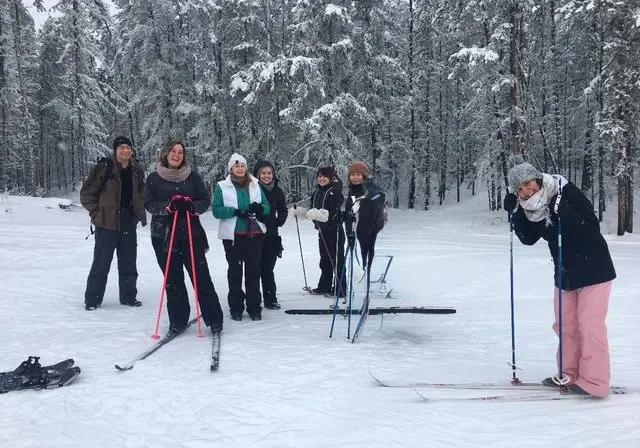
At Thebacha Campus, in particular, students and staff have taken full advantage of the Fort Smith Ski Club (skifortsmith.ca). Thanks to funding from Northwestel, the Thebacha Campus Student Association has been able to acquire equipment and memberships for those in the Aurora College community who wish to participate.

Nicola O’Keefe, Student Life & Wellness Coordinator, has been leading weekend ski excursions for college members at the club for nearly a decade. She notes that Northwestel’s support plays a vital role in helping the campus build a sense of community.

“I think for overall wellness, just getting out on the land and making connections is so important.”

On the weekend of January 31 and February 1, O’Keefe led a group of about seven participants—students, staff, alumni, and one student’s child—on a skiing outing. O’Keefe mentioned that while weather conditions, travel, or illness sometimes prevent people from attending, she typically organizes eight to ten events at the ski club each academic year.

“The biggest benefit is allowing staff and students to get to know one another while doing an extracurricular activity. It’s a chance for people to meet others outside their programs, for instance, a Personal Support Worker student meeting a Business Administration student or someone upgrading their studies.”

She adds that these outings, away from the classroom, provide an opportunity for participants to communicate more easily. “When people are relaxed, they feel more comfortable sharing what they’re going through at school or other challenges they may be facing.”

Students and staff who are interested in joining future excursions are encouraged to watch for emails inviting participation.

Skilled Office Administrators are in high demand

Skilled office administrator and managers are the backbone of most modern organizations, helping to ensure offices and businesses operate efficiently. Individuals with the required knowledge and skills are in demand with governments, private businesses, and non-profits in every community in the North.

To prepare Northerners to fill those roles, Aurora College offers an Office Administration Diploma, which is available through all three campuses and online, full-time or part-time. Students learn key computer programs, such as MS Word, Excel, and Outlook; organizational skills, office procedures, business writing, and business math, as well as topics such as human resources and payroll administration, financial accounting software, information and database management applications, executive office procedures, and bookkeeping and record keeping.

In addition to classroom work, students gain hands-on, practical experience through an unpaid 150-hour practicum at the end of the first year.

Program head Greta Sittichinli notes “The first year is skills-based, learning computer programs, focusing on grammar and business writing, and math. The second year is more rigorous, emulating working in an office setting and working at a higher level.”

Second year students also apply their learned skills to real-work situations, such as for their “Capstone” course. Students are tasked with planning and organizing a public event, which requires event planning, project management and teamwork skills to complete successfully. For the past nine years, students have hosted an Open House across the three campuses to promote Aurora College’s School of Business and Leadership.

The Office Administration program’s flexible delivery options allows more students the ability to participate. It is offered through all three campuses as well as online, and can be taken full-time or part-time. 

In addition, many students who complete the Office Administration Diploma choose to continue their formal education and expand their skills through the Business Administration Diploma.

Applications are open now for fall 2026 classes. Check out our website (insert link) for more information.

Alumni Testimonials:
“100% I would recommend this program. It provides students with the essential skills and knowledge required to succeed in the administration role.”
Cayla Gillis
Fort Smith
Healthy Family Worker
GNWT Northwest Territories Health and Social Services Authority

“The OA program gave me hands-on experience in a professional setting and helped me apply what I learned. It was a valuable opportunity that helped me grow professionally.”
Melissa Rogers
Inuvik, NT
Human Resource Coordinator
Inuvialuit Regional Corporation

Business Administration opens doors to a variety of career options

One of Aurora College’s long-running academic programs is the Business Administration (BA) Diploma, which offers flexible delivery methods and a range of course options. Graduates are employed in communities throughout the north and beyond in a variety of positions with governments, private industry and the non-profit sector.

A education in Business Administration equips graduates with the entrepreneurial skills and solid business knowledge needed to explore careers in finance, human resources, marketing, business management, and more.

Instructor Joanna Hartley says one of the key strengths of Business Administration is that students can attain a variety of business skills without being locked into a narrow career path. The program offers several streams and specializations designed to more precisely tap into different career interests and goals.

“I think the biggest selling point of the BA program is its versatility—what you learn is applicable to a wide range of career paths,” she explains. “Business administration can apply to so many different careers and positions. I think that that is really its greatest feature.”

The two-year program is offered through Aurora College’s three campuses and online, and can be taken full-time or part-time. Small class sizes allow more one-on-one time with instructors. Classes include students from across the campuses and online so that all students have access to the same learning opportunities and class discussions. Guest speakers with rich experiences and real-world examples add relevant, engaging content to the curriculum.

Students in Business Administration tend to be a diverse group – ranging from “straight out of high school” to older adults and individuals with a rich variety of educational, cultural, work and business experiences. That diversity enhances the learning environment and opportunities for learning for all students within the program.

A unique aspect of Aurora College’s program is the focus on preparing graduates to work in northern and Indigenous organizations and communities. In smaller organizations, employees need to be more flexible, adaptable, and well-rounded in their skills and knowledge, including knowledge of Indigenous culture and governance.

Another option within the Business Administration Diploma is the Accounting Stream. Students can focus on a number of accounting courses to earn the Business Administration Diploma – Accounting Stream, which can be used to gain employment in finance positions or prepare for further education to become an accountant.

Many graduates choose to pursue a Bachelor of Business Administration, transferring many of their credits earned at Aurora College to degrees at other institutions. Within the next few years, Aurora College will be introducing a new Bachelor of Business Administration with a focus on Indigenous Governance and Leadership. Completion of the diploma program will lead directly to the degree, with a minimum grade point average and prerequisites.

Applications are open now for fall 2026 classes. Check out our website (insert link) for more information.

Alumni Testimonials
“I always wanted an office job, and I knew the Business Diploma would allow me to gain a better occupation. This program enhanced my communication, management, and marketing skills. I learned much about the economy, how a business can be successful, and I gained a better understanding of accounting.”
— Angela Voudrach
Inuvik, NT
Senior Accounting Clerk
GNWT Department of Finance


“We had instructors who truly wanted us to succeed. They gave us room to fail and the encouragement to bounce back. That kind of learning environment is rare—and it’s powerful.”
— Tarilee Wedzin
Executive Administrative Coordinator (EAC)
Government of the Northwest Territories

Exploring the use of locally sourced materials and new approaches to production

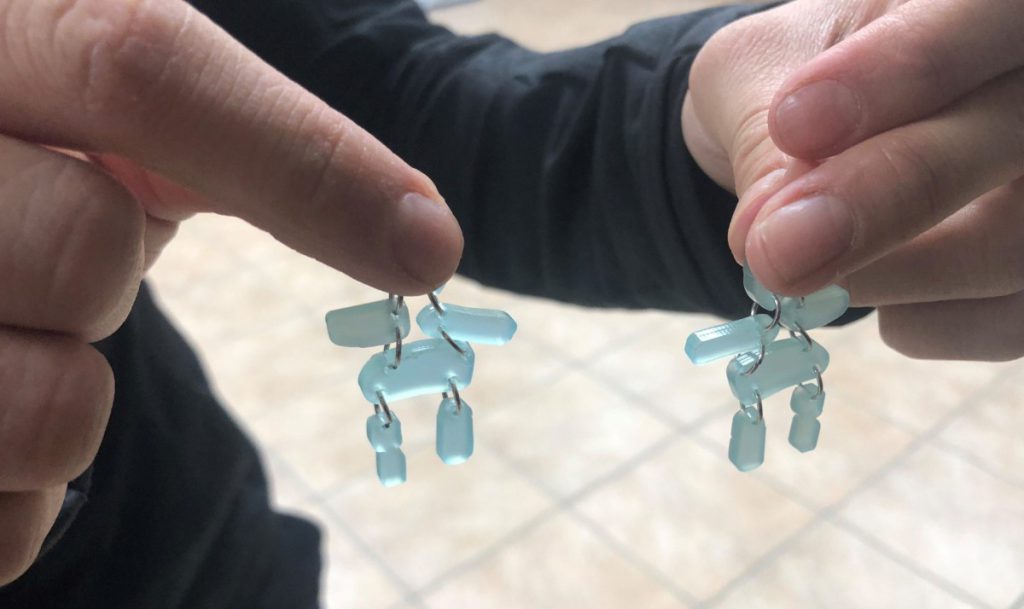
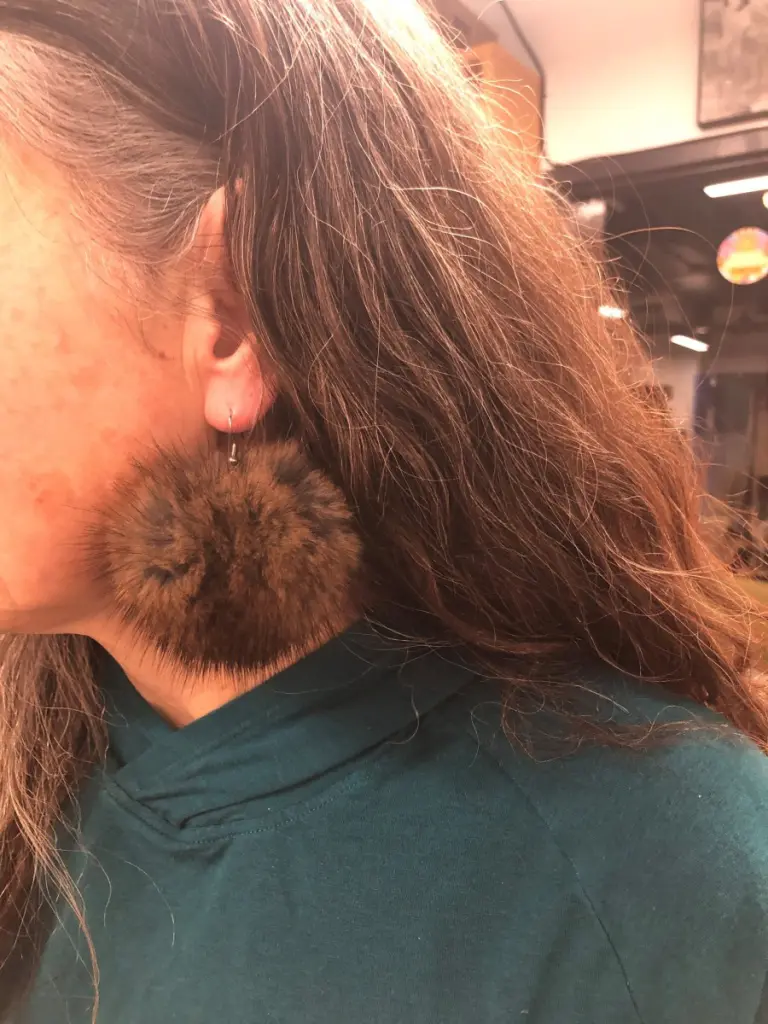
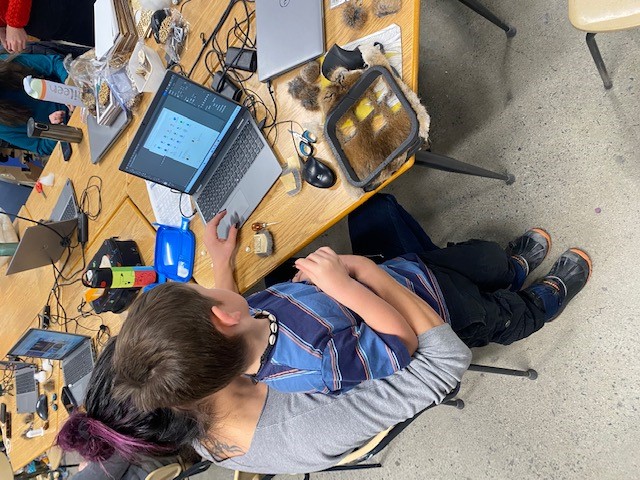
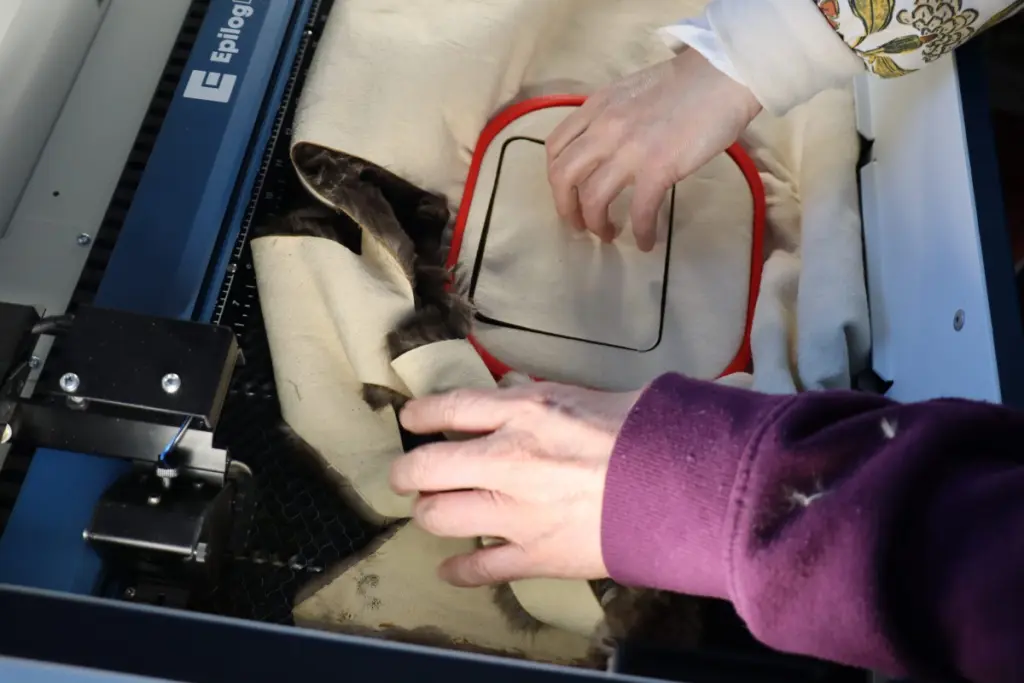
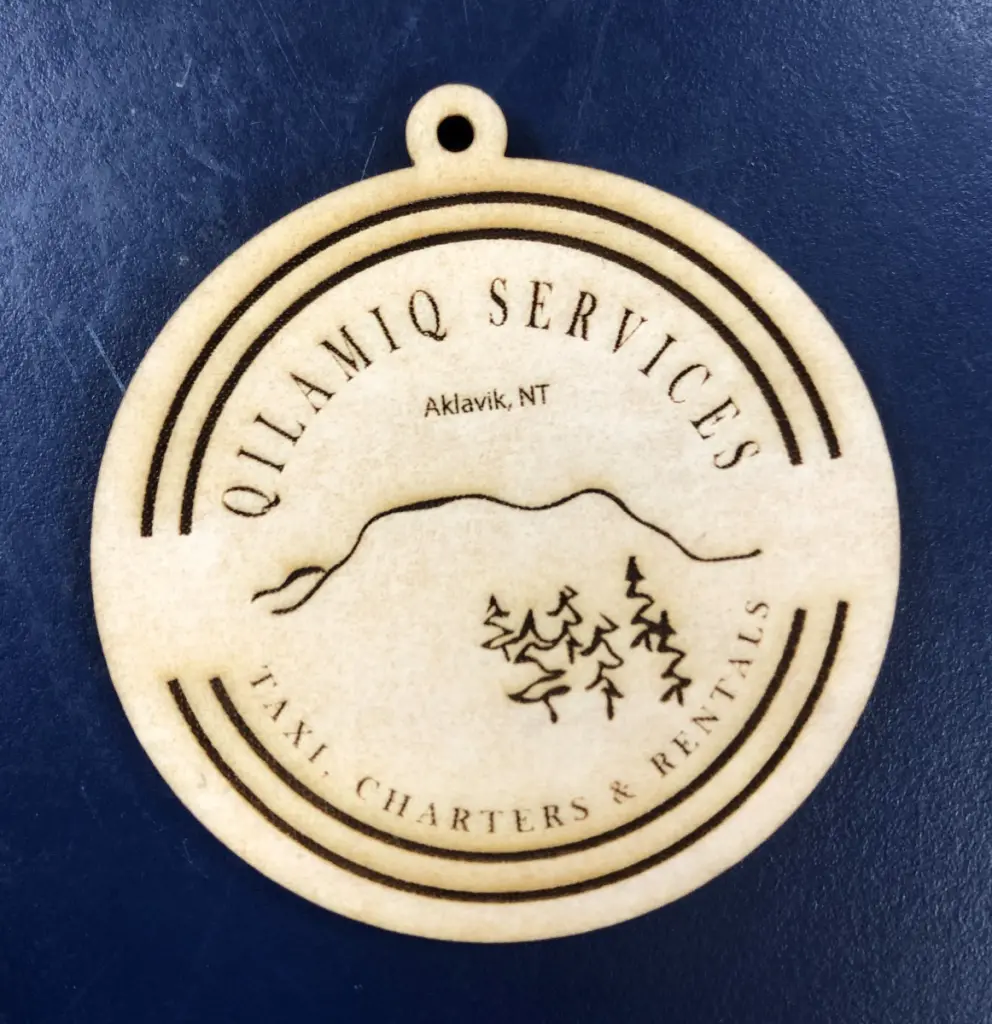
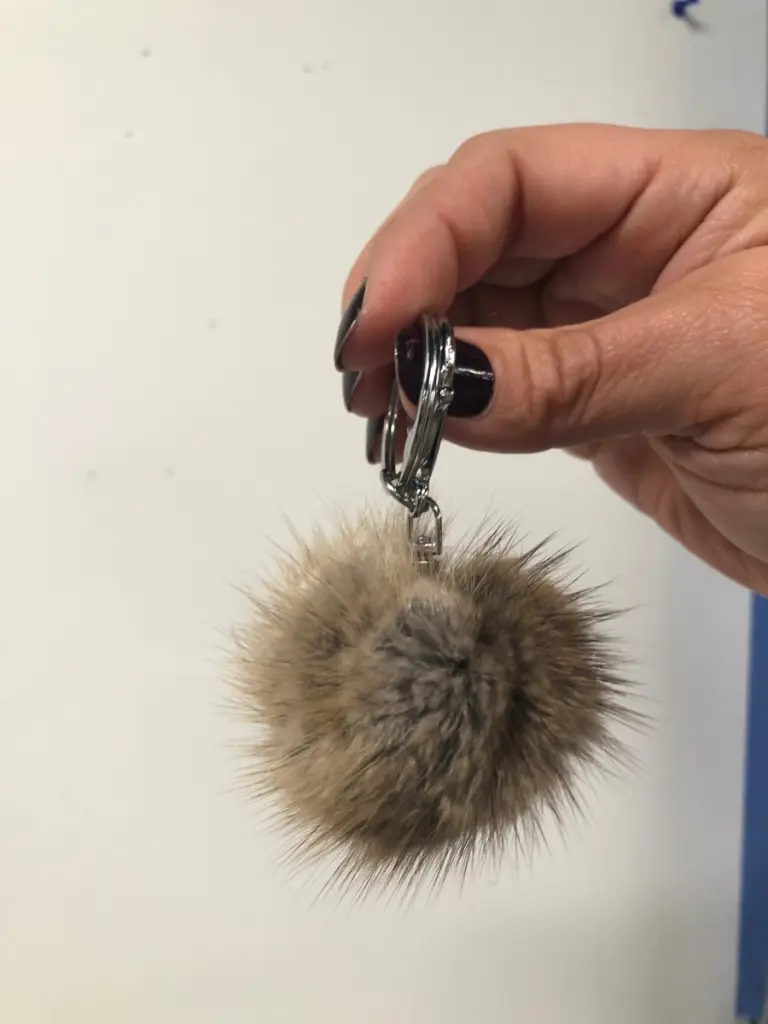
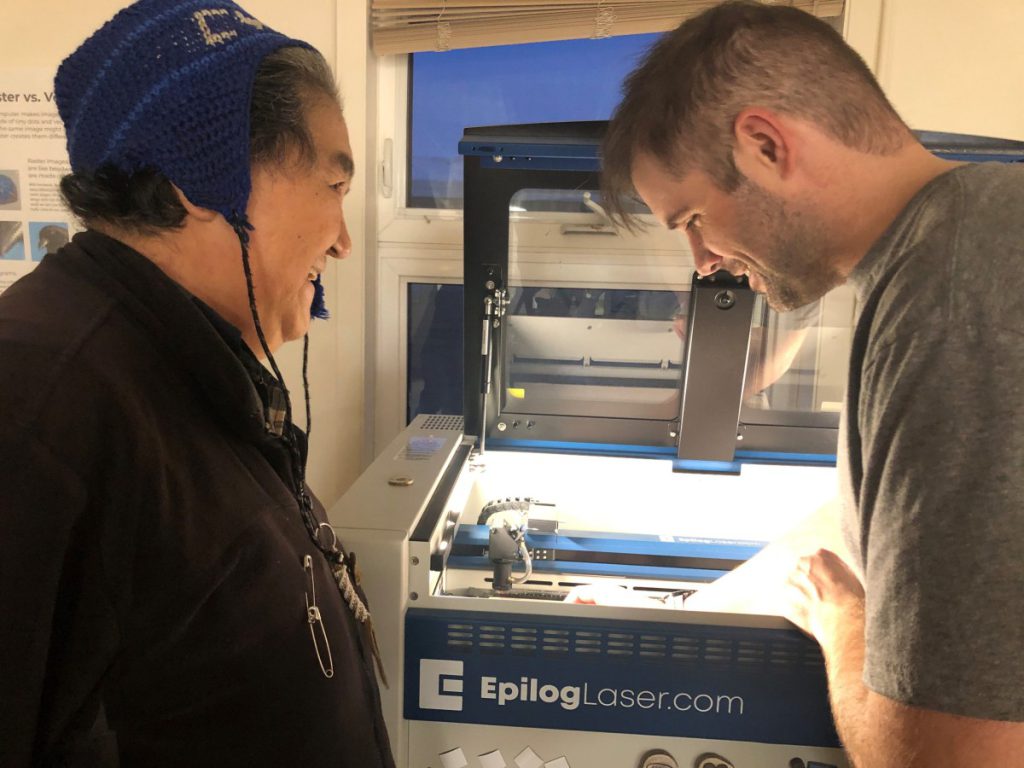
Throughout the year, ARI partnered with community organizations including the Aklavik Community Corporation and Makerspace YK to hold workshops using laser cutters and direct-to-film (DTF) printers to explore the use of regionally available materials like antler, fur, and hide.
Through funding received from the Natural Sciences and Engineering Research Council, ARI was able to purchase and equip communities with laser cutters and direct-to-film printers. This enables experimentation with and customization of commercial goods as well as materials found in and around the Northwest Territories.
Between March and November 2025, workshops were held in Aklavik and Yellowknife, offering learning opportunities to community members in basic digital design skills, laser cutting and engraving, direct-to-film printing, 3D printing, and vinyl cutting and application.
We are excited to see how this experimentation leads creatives, artisans, and entrepreneurs to try new methods and integrate new materials into their practices.
Special thanks to our community partners and all the workshop participants who contributed their experience and ideas.

Building skills and inspiring futures across the NWT

The ARI STEM (science, technology, engineering, and mathematics) Outreach Program is an award winning youth outreach program delivered by four full time staff working out of each of our regional research centres in Inuvik, Yellowknife, and Fort Smith. We provide year-round, free access to science and digital literacy resources across the NWT, helping ensure that every young person and educator, no matter their location, has access to inspiring, hands-on science STEM programming. Beginning in 2016 with one part-time position in one community, the program has grown to expand its offerings to all five regions of the NWT, fostering curiosity, confidence, and opportunity in STEM for northern youth.

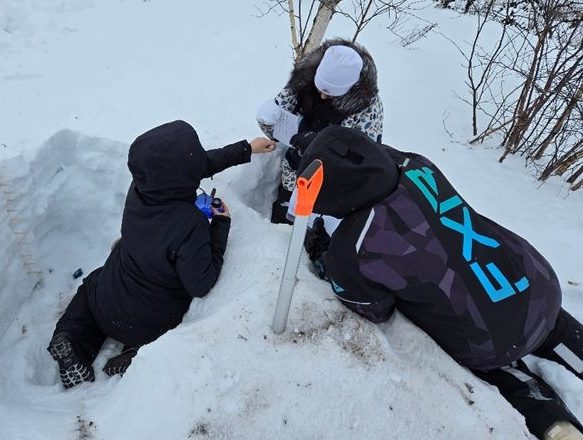
High School students conduct a snow survey on Piers Lake as part of their 10-day Winter Camp. Surveys were sent to GNWT Environment and Climate Change as part of a citizen science project.

Each year, ARI’s STEM Outreach Program engages roughly 8,000 JK-12 students in more than 20 communities. Through a mix of in-person workshops, community events, and remote programming, the team brings science, engineering, digital skills, and problem-solving directly to places where youth gather – classrooms, libraries, youth centres, and on the land programs. This flexible model ensures that all northern students can access the same high-quality learning experiences as those in regional hubs.

A cornerstone of the program is the award winning Train the Teacher, Loan the Gear initiative. When travel isn’t feasible, local educators receive hands-on STEM kits, tailored lesson plans, and ongoing support, all at no cost. This approach has become essential in a territory where travel is expensive and distances are far. Teachers consistently return for new kits each year, demonstrating the program’s value and long-term impact.

Our program is grounded in regional knowledge and issues. From place-based climate education to digital literacy and engineering challenges, youth explore science through meaningful experiences that strengthen identity and reinforce community knowledge and expertise. This includes visits from local professionals working in STEM fields who share their education journey and work experiences, giving youth the opportunity to visualize themselves in these roles in the future.

The program’s impact extends beyond youth. ARI delivers professional development for educators across the territory, offering hands-on training, digital resources, and strategies for inclusive STEM teaching. In February 2026, the team will be delivering five interactive workshops for northern educators at the Northwest Territories Teachers’ Association Teachers Conference on topics ranging from artificial intelligence to environmental monitoring and climate change.

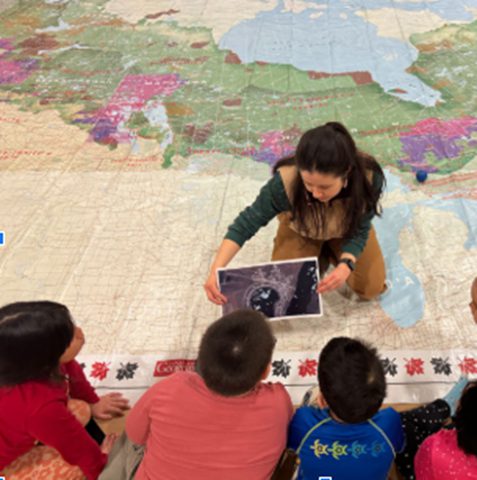
Ulukhaktok youth participat in geography and coding/robotics sessions at Helen Kalvak School. 

Community engagement is central to our program. Events like Science Rendezvous, Community Science Nights, GeoWeek, and partnerships with local organizations bring families and residents into the excitement of STEM. The team brings on summer student staff whenever possible, offering mentorship and workplace training, also ensuring that youth programs are able to be offered year-round.

Backed by strong partnerships, ARI’s STEM Outreach Team connects northern youth with real-world science happening in their own regions. The results are clear: 93% of youth report wanting to learn more about STEM after participating, and 60% say they’re more interested in pursuing STEM in college or university.

In a territory where access to programming can be limited by geography and cost, ARI’s STEM Outreach Team is reshaping what is possible, empowering northern youth to see themselves as scientists, problem-solvers, and future leaders of the NWT.

Northern Health Research Day: projects presented by 4th year Bachelor of Science in Nursing students

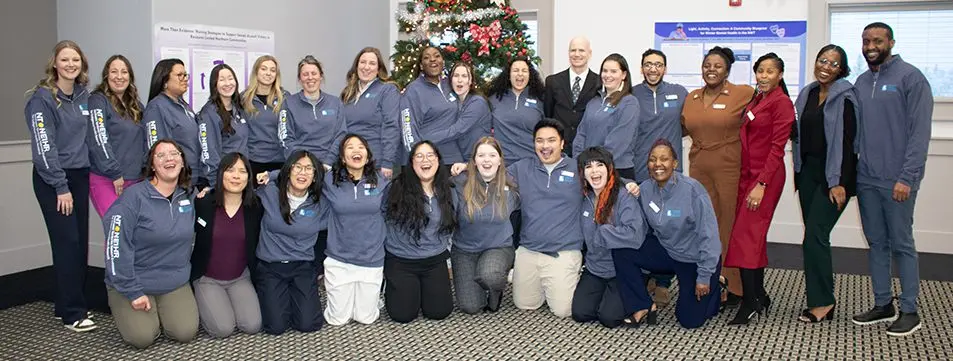
Twenty-six Aurora College Bachelor of Science in Nursing (BSN) students showcased their research posters as part of the annual Northern Health Research Day on December 3, 2025.

The event’s theme this year highlighted the importance of northern health research and its direct impact on delivering quality healthcare to northern communities.

Each year, Aurora College is grateful to partner with leading northern health and wellness organizations, including Hotıì ts’eeda: NWT SPOR SUPPORT, the Institute of Circumpolar Health Research, the College and Association of Nurses in the Northwest Territories, and many other supportive community organizations.

This year’s poster presentation featured fourth-year BSN students presenting research topics ranging from healthcare delivery challenges affecting Black communities to clinical issues and the unique perspectives of Indigenous involvement in the healthcare system. Students were required to focus on a Northern issue pertinent to nursing.

Afternoon highlights included a keynote address by Dr. Christina Marie Chakanyuka, a member of the NWT Métis Nation and Assistant Professor at the University of Victoria. She spoke on “(Re)claiming Indigenous Ways of Knowing, Doing, and Being in Nursing through Intergenerational Mentorship.”

The day concluded with a panel discussion on the importance of culture in Indigenous nursing and research. Speakers included health researcher Taylor Hoggarth, as well as Lianne Mantla-Look, and Aurora College alumni student Jennifer Pitt who are both Registered Nurses (RN) practicing in the North.

Congratulations to Mirian Sopuruchi Iwuji, who won the People’s Choice Award for favourite poster. She won with her presentation called Closing the Gap: Understanding Cervical Cancer Screening Barriers Among Black Immigrant women in the NWT. Mirian’s project focused on the high rates of women who die every year worldwide from cervical cancer, especially Black immigrant women. She explored the many factors that may prevent women, including in the North, from getting screenings done at an earlier stage.


Quote:
“Partnering again with Hotıì ts’eeda and ICHR continues to make Northern Health Research Day a special event. This year, the welcome by Elders Francoise Paulette and Rassi Nashalik and the closing by the Yellowknives Dene Drummers truly enriched the experience for all attendees, not just fourth-year students. Our panel included Northern Indigenous scholars, and our keynote speaker was a nurse with a PhD, conducting important research in the North. These features allow us to show why northern health research is so critical—not just to highlight the BSN program. By showcasing other researchers at this conference, we hope to inspire undergraduate students, as well as those in the Practical Nurse and PSW programs, and demonstrate how a focus on northern research can make a real difference.”

— Jodi Brennan, Chair, School of Health and Human Services


Quick facts:

  • The Aurora College School of Health and Human Services has 106 students enrolled for the 2025-26 academic year.
  • Bachelor of Science in Nursing (BSN) students gain hands-on experience by collaborating with government and non-government organizations on community development and leadership projects.
  • The BSN program’s extensive practice hours and diverse settings equip graduates with the skills needed to thrive in today’s healthcare environment.

Photos:

View our photos from the day here.

Aurora College delivers academic upgrading, trades and industrial training, certificate, diploma and degree programs to students at its three campuses: Aurora Campus (Inuvik), North Slave Campus (Yellowknife), and Thebacha Campus (Fort Smith) in the Northwest Territories. Culturally relevant post-secondary programs reflect Northern traditions, communities, and needs of the Northern labour market. Aurora College’s research division, Aurora Research Institute, conducts and supports applied research in the NWT. Research centres are located in Inuvik, Yellowknife and Fort Smith.

For media inquiries, please contact:
Jayne Murray
Manager, Communications and College Relations
Aurora College
867-872-7021
jmurray@auroracollege.ca

Northern Lakes in a Changing Climate Workshop

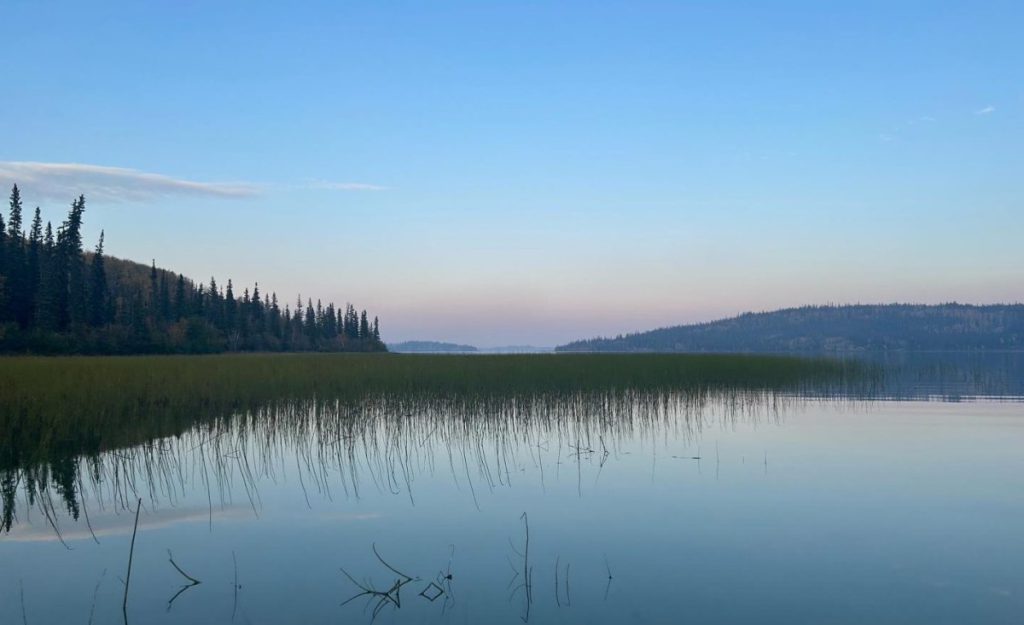
               On Monday, November 24, 2025, the North Slave Research Centre (NSRC), the Yellowknife branch of the Aurora Research Institute (ARI), hosted the Northern Lakes in a Changing Climate Workshop. The workshop highlighted the vital role lakes play in cultural, subsistence, and recreational life, as well as the growing pressures they face from climate change, municipal development, and industrial activities. It provided a platform for sharing new research and fostering dialogue between scientists and the people and organizations whose decisions shape the future of water resources in the Northwest Territories.

               Presentations at the workshop spanned a diverse range of topics, including long-term trends in ice and snow cover, the impacts of permafrost thaw on small lakes, emerging concerns about broad-scale eutrophication, and the legacy effects of historical mining on lake chemical and biological recovery. Sessions were complemented by discussions on how new findings could inform decision-making across the region, providing an important opportunity for collaboration and knowledge exchange. The workshop highlighted both emerging and persistent threats to northern lakes and set the stage for continued research and engagement.

               The event was organized collaboratively by the NSRC (Aurora Research Institute, Aurora College), the Paleoenvironmental Research Group (York University), and the Engineering Sustainable Change Research Group (Queen’s University), with funding support from the ArcticNet Northern Research Leaders Program. The event was attended by researchers and students from the organizing groups, as well as representatives from Canada Water Agency, City of Yellowknife Public Works and Engineering, Crown-Indigenous Relations and Northern Affairs Canada, Environment and Climate Change (GNWT), Dechı̨ta Nàowo (Yellowknives Dene First Nation), Giant Mine Oversight Board, Health and Social Services (GNWT), Mackenzie Valley Environmental Impact Review Board, Mackenzie Valley Land and Water Board, McGill University, North Slave Metis Alliance, Northwest Territories Geological Survey, Rio Tinto, University of Alberta, and University of Saskatchewan.