Search

Building a Career in Early Childhood Education: Suchitra Yadav’s ELCC Journey

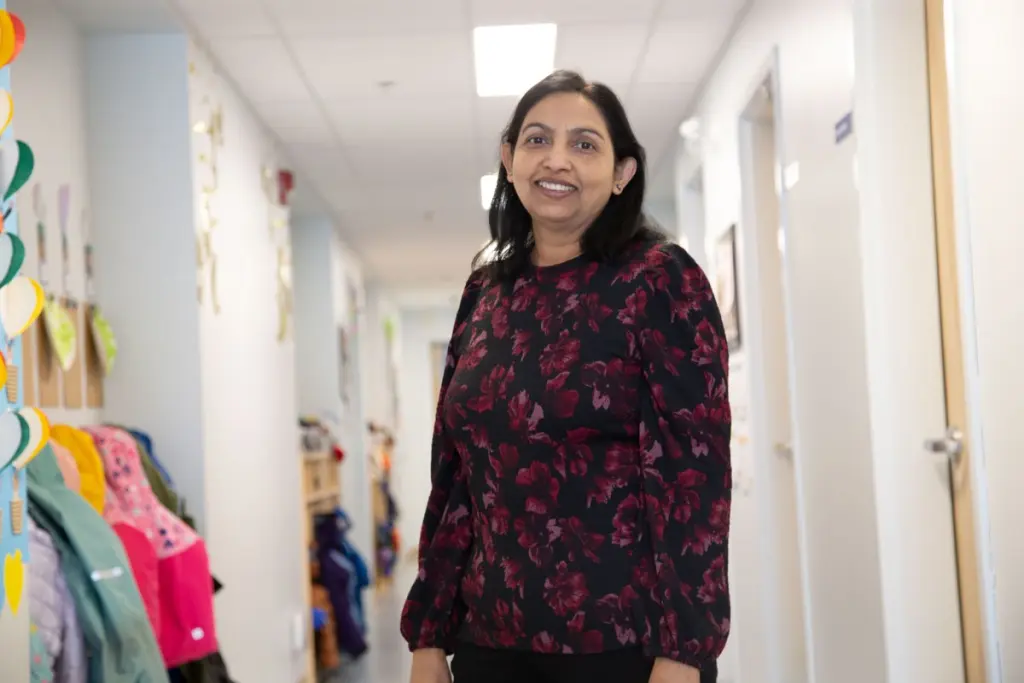
Suchitra Yadav – Early Learning and Child Care Diploma – Class of 2022

The Yellowknife Day Care Association is a busy place.

For a city in high demand for early child care, Suchitra Yadav is one worker that many residents have come to know for more than a decade as she has helped ensure the early learning environment excels. After immigrating to Canada from Nepal in 2009, Suchitra settled in Yellowknife and began working at YKDA.

“I’ve spent over 16 years working with preschool and afterschool-aged children,” Suchitra says. “I love the way children see the world. Every day is an opportunity to make a difference in their lives.”

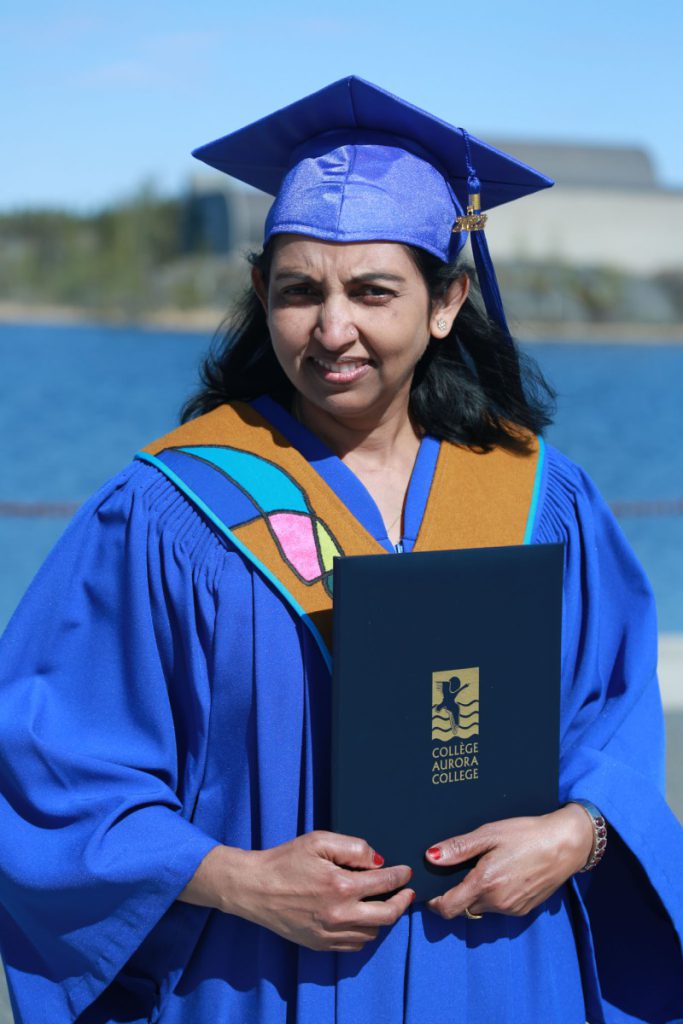
After working nearly a decade at YKDA, however, Suchitra decided to strengthen her skills and develop new career opportunities. She enrolled in Aurora College’s Early Learning and Child Care (ELCC) program, completing her certificate in 2018 and diploma in 2022. She ended up returning to YKDA as a Program Manager at YKDA, where she oversees daily operations, supports educators, and oversees quality learning environments.

“The ELCC program gave me the confidence to grow,” she says. “I learned how children develop at every stage, and I continue to learn and evolve with them.”

For Suchitra, she found many aspects of the ELCC program impactful including the hands-on learning opportunities and strong support from instructors. A standout experience was her involvement in a playgroup association offering free sessions for children aged 0–5 in the community—an initiative that helped her apply her learning in real-world settings.

“There’s a high demand for qualified early childhood educators in the North,” she explains. “The College’s focus on Indigenous knowledge and Northern culture helps prepare educators to support children and families in meaningful ways.”

Suchitra encourages anyone considering the program to take the leap.

“Education is the most powerful toolbox. The ELCC program doesn’t just prepare you for a job—it prepares you to help shape the future.”

First Generation High School and College Graduate: Kate Wedzin’s Aurora College Journey

Kate Wedzin – University and College Access Program – Class of 2017 & Office Administration Program – Class of 2020

Kate Wedzin is a proud first-generation high school and college graduate in her family and Aurora College played a big role in making that possible.

Hailing from Behchokǫ̀, Kate first completed the University and College Access Program (UCAP) at Aurora College in 2017. With a desire to develop real-world, practical skills that could be useful in the North, she enrolled in the Office Administration Program in 2018.

Graduating in 2020, Kate says the program equipped her for the workforce.

“It gave me the foundation I needed—software skills, office management, professional communication, and ethics,” she says. “These are all things I use every day in my job.”

Now a Junior Human Resource Officer with the Government of the Northwest Territories’ Department of Finance, Kate’s daily tasks include posting jobs, scheduling and conducting interviews, processing onboarding paperwork, and maintaining accurate HR records.

“I’m learning the fundamentals of human resource management within the unique context of the GNWT,” she says.

The Office Administration program’s focus on real-world application and problem solving was especially appealing to Kate during her time of study. She found particular value in the practicum component of the course, which allowed her to gain experience directly in the field. Her placement at Aurora College’s Finance Department led to a position as an Intern-Finance Officer, and later helped her transition into her current HR role.

“The hands-on experience helped shape my career,” she admits.

Kate encourages others considering the program to take advantage of the useful skills that can be learned.  

“Engage fully with the curriculum and your instructors, and take advantage of practicum placements—they can open real doors,” she advises.

From the classroom to a meaningful government career, Kate’s journey shows the power of accessible, skill-focused education in the North.

“Aurora College helped me build a career while staying close to home. The Office Administration program is a valuable investment for anyone looking to work in a professional environment here in the NWT.”

Finding Purpose and Connection Through Care: Leah Mandeville’s PSW Journey

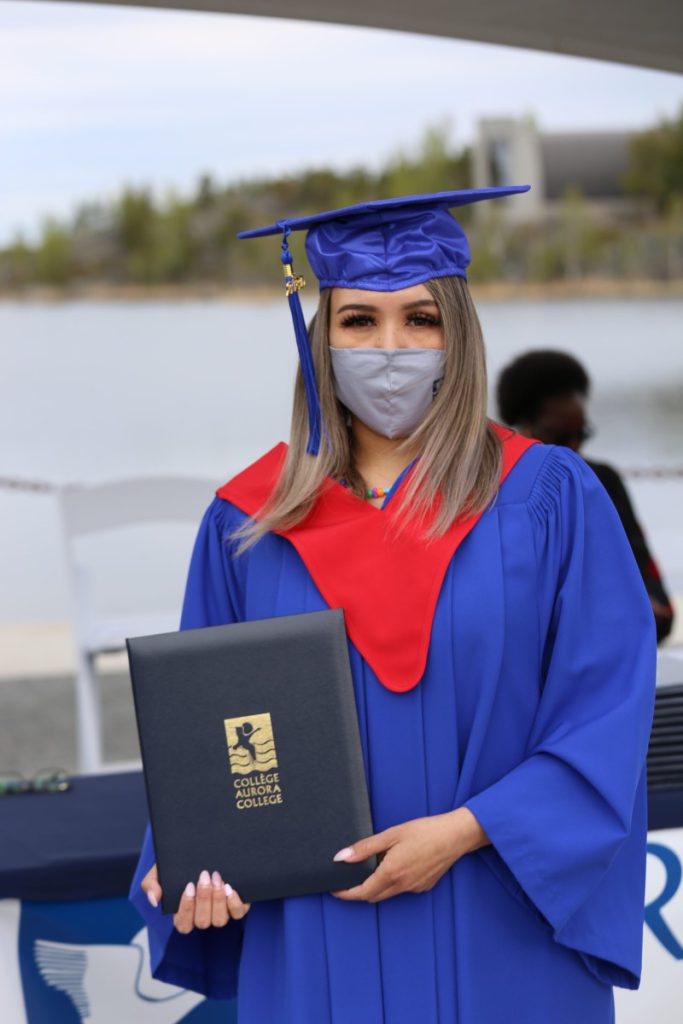
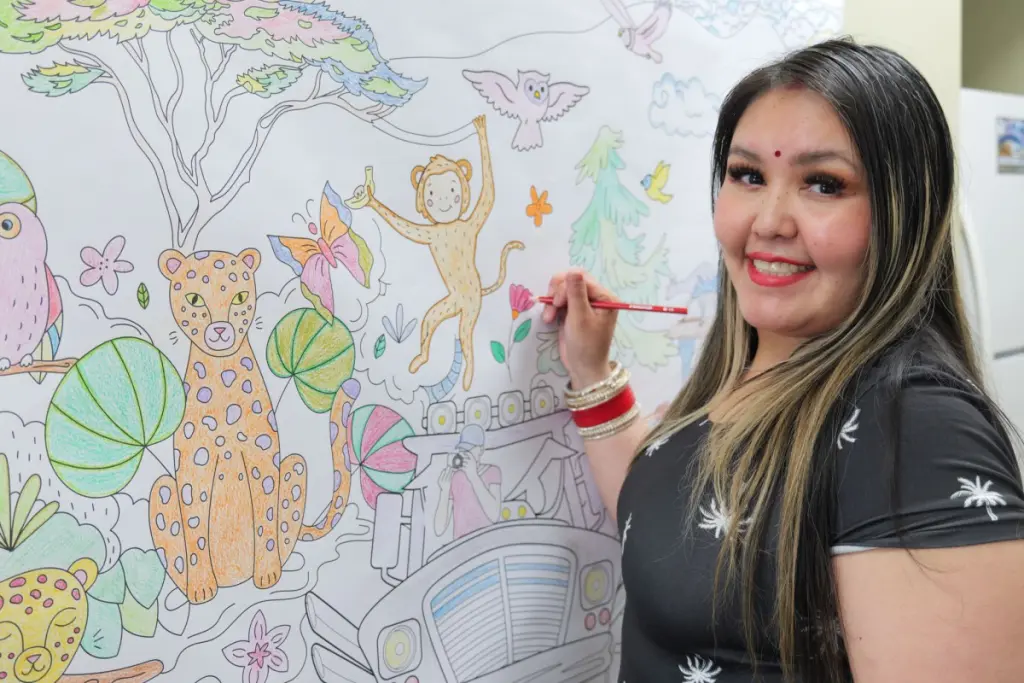
Leah Mandeville – Personal Support Worker Certificate – Class of 2021

When Leah Mandeville returned to school at Aurora College, she brought with her a deep sense of compassion, lived experience, and a desire to make a difference. Originally from Fort Resolution and now living in Yellowknife, Leah is Métis and a proud mother of three.

Her decision to enroll in the Personal Support Worker (PSW) program in 2020 came after a life-changing experience caring for her mother through terminal cancer.

“It was a very humbling experience,” she recalls.

“I felt honoured to help her on her journey, and I realized I wanted a career where I could truly help others.”

Through the online PSW program, Leah learned the skills she needed with strong support from instructors who brought real-world nursing experience into the classroom. “Anytime we had questions, they were there,” Leah says. The transition from virtual learning to hands-on labs and practicum placements was seamless—and meaningful.

“It didn’t feel like work. I felt like I was spending time with people I truly cared for.”

During her final clinical placement at Stanton Hospital’s Extended Care Unit, Leah built a bond with an elder who reminded her of the importance of laughter, understanding, and connection.

 “We became close,” Leah recalls. “She told me people often thought she was too serious—but I got her.”

After graduation, Leah worked full-time in extended care before choosing to pursue a Personal Trainer diploma. Her long-term goal? To combine her healthcare background with physical wellness and return to the Northwest Territories to support her community in new ways.

Leah believes Personal Support Workers are essential in the North. “We are the fabric that helps hold the healthcare system together,” she says.

“We know the land, we know the people—and that connection means everything.”

From the land to leadership: Catherine Graydon’s ENRTP journey

Catherine Graydon – Environment and Natural Resources Diploma – Class of 2015

Catherine Graydon has always felt a deep connection to the land.

Born and raised in Yellowknife, Catherine is Inuvialuit through her mother’s roots in Inuvik. Though she didn’t grow up with extensive on-the-land knowledge, she was always drawn to nature—especially during one unforgettable summer at Plummer’s Lodge on Great Bear Lake.

“I was inspired by the guides—how much they knew and how they carried themselves. I wanted to learn what they knew.”

That desire led Catherine to enrol in Aurora College’s Environment and Natural Resources Technology Diploma Program(ENRTP), which she says was a positive turning point in her life. Through small class sizes, supportive instructors, and immersive fieldwork, Catherine learned about water quality monitoring, ecology, mapping, and more.

“One highlight was summer field camp at Tsu Lake—canoe trips, fish dissection, caribou harvesting, and survival training. We laughed, learned, and created lasting connections.”

Since graduating in 2015, Catherine’s career has taken her to many places in the North. From student positions at Diavik and Ekati to becoming Lead Coordinator for Water Monitoring and Stewardship at the GNWT’s Department of Environment and Climate Change, she now supports environmental programs and collaborates with Indigenous governments across the NWT.

ENRTP didn’t just open doors, she says —it changed her life, both personally and professionally. “Before, I was juggling three jobs. ENRTP gave me the skills and confidence to build a stable career that supports my family. I can’t imagine going back.”

Anyone considering the program should just take the leap, she adds.

“The environmental field needs more Indigenous and Northern voices—people with a real connection to the land. This program helps you grow into that role.”

Learn more about the Environment and Natural Resources Technology Program and apply online today.

Application deadline: June 30.

New upgrading options in communities

Beginning in fall 2025, community-based students across the Northwest Territories will have access to more academic upgrading courses through Aurora College than ever before.

The online courses will help students attain the prerequisites to enter post-secondary programs, trades programs or employment. Many of the online courses scheduled for the 2025-2026 academic year have previously only been available in-person at Aurora College campuses.

The planned schedule for fall 2025 includes Biology 20, College and Career Preparation (CCP), English 10, English 11, Math 130, Math 140, Math 145, Science 130 and Science 140 (tentative). Academic upgrading is also available in person at our three campuses, part-time or full-time through Adult Literacy and Basic Education (ALBE), and full-time in-person through Occupations and College Access Program (OCAP) and University and College Access Program (UCAP).

Students can apply online at www.auroracollege.nt.ca or can get more information by emailing info@auroracollege.ca. The deadline for applications for fall courses is June 30. Aurora College does not charge tuition fees for ALBE students. Delivery of online ALBE courses is subject to minimum enrolment.

Hotıì ts’eeda and Aurora College announce 2023 Edets’seèhdzà Mentorship recipient

La version française suit le texte anglais.

The 2023 Edets’seèhdzà Mentorship is being awarded to Antonia Lafferty, a student in her fourth year of Aurora College’s Bachelor of Science in Nursing program. The Edets’seèhdzà Mentorship is a $20,000 stipend that supports an Aurora College student’s involvement in research during their studies.

The Edets’seèhdzà Mentorship award is funded by Hotıì ts’eeda and provided through a partnership between Hotıì ts’eeda and Aurora College / Aurora Research Institute. Hotıì ts’eeda is funded by the Canadian Institutes for Health Research and is a research support unit hosted by the Tłı̨chǫ Government. Edets’seèhdzà (eh-DEY-tsay-zah) means “stepping forward to challenge yourself” in the Tłı̨chǫ language. Antonia will be the sixth student supported through the Edets’seèhdzà Mentorship since its launch in 2019. Past research subjects for recipients have included traditional teachings, Northern-focused care and Indigenous health research.

A proud Dene and Cree descendant, Lafferty envisions her future role a registered nurse who is dedicated to eliminating healthcare disparities. Driven by a desire to care for her community holistically, she is committed to breaking down barriers and making a meaningful impact as a healthcare professional. Lafferty impressed the selection committee with her  interpersonal, written and oral communication skills, as well as her demonstrated passion for learning and contributing to initiatives that promote an equitable and safe healthcare system.

Lafferty will be involved in various activities that include planning and participating in community engagements, preparing community visits, helping analyze and share research findings, and contributing to the organization of a workshop to discuss potential policy changes.

Hotıì ts’eeda and Aurora College congratulate Antonia Lafferty and look forward to seeing her progress over the coming year.

For more information or to apply, visit nwtspor.ca/programs/enihtledee-xaetaa-studentship. Inquiries about the program can be directed to Andreanne Robitaille at arobitaille@auroracollege.nt.ca

Quotes:

“The Edets’seèhdzà Mentorship supports students to gain meaningful experience in wellness research in the NWT. These students will go on to be homegrown researchers and professionals shaping the northern research landscape.”

– Dr. John B. Zoe, Chairperson, Hotıì ts’eeda

“The opportunity to engage in health and wellness related research while pursuing studies provides Aurora College students a rich opportunity to anchor learning in Northern communities. Aurora College is proud to support the Edets’seèhdzà Mentorship and our outstanding recipient, Antonia Lafferty.”

– Dr. Glenda Vardy Dell, President, Aurora College

Hotıì ts’eeda et le Collège Aurora annoncent la lauréate de la bourse de mentorat Edets’seèhdzà 2023

La bourse de mentorat Edets’seèhdzà 2023 est décernée à Antonia Lafferty, une étudiante en quatrième année du programme de baccalauréat en sciences infirmières du Collège Aurora. La bourse de mentorat Edets’seèhdzà de 20 000 $ vise à permettre à un étudiant du Collège Aurora de faire de la recherche pendant ses études.

La bourse est offerte dans le cadre d’un partenariat entre Hotıì ts’eeda, le Collège Aurora et l’Institut de recherche Aurora. Sous la tutelle du gouvernement tłįchǫ, Hotıì ts’eeda est un service de soutien à la recherche financée par les Instituts de recherche en santé du Canada. Edets’seèhdzà [prononcer eh-dé-tsé-zaa] signifie « aller de l’avant pour se dépasser » en tłįchǫ. Antonia est la sixième étudiante à recevoir cette bourse depuis sa création en 2019. Les recherches des lauréats précédents ont notamment porté sur les enseignements traditionnels, les soins axés sur le Nord et la santé des Autochtones.

Fière de ses origines dénées et cries, Antonia Lafferty souhaite devenir infirmière diplômée et œuvrer à éliminer les disparités dans le domaine des soins de santé. Animée par le désir de prendre soin de sa collectivité en privilégiant une approche holistique, elle souhaite faire tomber les barrières et avoir une influence significative en tant que professionnelle de la santé. Antonia Lafferty a impressionné le comité de sélection par ses compétences en communication interpersonnelle, écrite et orale, ainsi que par sa passion avérée pour l’apprentissage et son désir de contribuer à la promotion d’un système de santé équitable et sécuritaire.

Antonia participera à diverses activités : notamment, elle planifiera des activités de mobilisation communautaire et y participera, préparera des visites dans les collectivités, aidera à l’analyse et au partage des résultats de recherche et contribuera à l’organisation d’un atelier pour discuter des changements potentiels de politique.

Hotıì ts’eeda et le Collège Aurora félicitent Antonia Lafferty et se réjouissent de pouvoir l’aider à réaliser son plein potentiel.

Pour obtenir de plus amples renseignements ou pour présenter une demande, veuillez visiter le nwtspor.ca/programs/enihtledee-xaetaa-studentship

Pour en savoir plus sur le programme, communiquez avec Andréanne Robitaille à l’adresse arobitaille@auroracollege.nt.ca

Citation

« La bourse Edets’seèhdzà encourage les étudiants à participer de manière significative à la recherche sur le bien-être aux TNO. Ces étudiants deviendront des chercheurs et des professionnels locaux qui façonneront le paysage de la recherche dans le Nord. »

– Dr John B. Zoe, président, Hotıì ts’eeda

« La possibilité de s’engager dans la recherche en santé et en bien-être tout en poursuivant leurs études offre aux étudiants du Collège Aurora une occasion unique de consolider leur apprentissage dans les collectivités du Nord. Le Collège Aurora appuie fièrement la bourse Edets’seèhdzà et la lauréate exceptionnelle de cette année, Antonia Lafferty. »

– Glenda Vardy Dell (Ph. D.), présidente du Collège Aurora

Xàgots’eèhk’ǫ̀ Journal call for submissions; deadline is February 1, 2024

Aurora College’s journal is looking for submissions for the Spring/Summer edition. The theme for this issue has evolved as the Northwest Territories comes to grips with the experiences of wildfire evacuations and floods over the past few years, as well as ongoing systemic inequities in our context. Originally announced as Living Well, the theme has expanded, and contributions exploring Surviving and Thriving in the North are welcomed.

A conversation about living well in the North needs to understand how Northerners have and continue to survive and build meaningful lives in the face of past, present and future crises. Whether the challenges be local, national or on a global scale, the effects are being felt in the North. Resilience provides a strength-based lens to explore ideas and knowledge about how to survive and thrive in the North, while acknowledging the challenges. In this frame, contributions that explore all aspects of what it means to live well, to survive challenges, and to thrive in the North are encouraged.

Xàgots’eèhk’ǫ̀ accepts submissions from across regions, disciplines, languages and genres. Scholars, artists, researchers, youth, community members, Elders and Knowledge Holders are invited to submit original work. This can be research papers and academic work, but can also include literature reviews, essays, photo essays, conference reports, stories, oral storytelling, creative works, interviews, biographies, art and more.

The journal utilizes a relational-review model, where the rigour of peer review is inclusive of Northern Indigenous knowledge and ways of knowing as well as scientific and academic knowledge. To do this, reviewers are experts from the academy as well as the community, and can include Elders, Traditional Knowledge Holders, artists and more, as best suits the piece being reviewed.

The Spring/Summer edition is co-edited by Dr. Jessica Dutton, Manager, Learning Health Systems, Community, Culture and Innovation with the GNWT Department of Health and Social Services and Dr. Candice Lys, Co-Founder and Executive Director of FOXY/SMASH. Dr. Dutton and Dr. Lys are both Research Associates at Aurora College.

Xàgots’eèhk’ǫ̀ is a collaborative project led by partners from Aurora College, Hotıì ts’eeda: NWT SPOR Support Unit, and Dechinta Centre for Research and Learning. Launched in November 2022, the journal brings together multiple ways of knowing to share knowledge around each issue’s theme.

Xàgots’eèhk’ǫ̀, in the Tłı̨chǫ language, translates to having a campfire. Fire is important to Northerners; a campfire is where people gather, share stories, seek warmth, cook food, and many other activities. Like a campfire, the journal is a space to exchange information and bring together voices from across the North.

For more information or to submit to the journal, please email xagotseehko@auroracollege.nt.ca or visit https://xagotseehkojournal.com.

Quotes:

“This has been a hard year for so many Northerners.  However, there are so many stories of making it through difficult times, moments of light in darkness and glimmers of hope and perseverance to share with others.  We invite Northerners to pass on knowledge and experiences of surviving and guidance for others on thriving through adversity, as we all find a way forward.”

  • Dr. Candice Lys, Research Associate, Aurora College


When we were deciding on the theme for this edition, we felt compelled to ask ‘are we living well?’ Is it reasonable to expect people to be living well in our current climate of consecutive large-scale crises? By centering the reality of survival and resilience, we hope to encourage a fulsome, honest, and hopeful discussion about living well in the North that acknowledges the challenges and celebrates the achievements of Northern people and communities.”

  • Dr. Jessica Dutton, Research Associate, Aurora College

Quick facts

  • Xàgots’eèhk’ǫ̀ Journal publishes work in any NWT official language.
  • Pronounced Ha-goat-seh-ko, you can find a video on our website to help practice the pronunciation.
  • Submissions will be accepted in any artistic, audio visual, or written format that can be shared in a digital web-based forum.
  • Collaborative and co-authored submissions between scholarly and community worlds and Indigenous and Western knowledge systems are encouraged.
  • If you need support developing your submission, please get in touch with us! We are able to offer writing and editing help as well as conducting interviews, transcribing conversations, etc. for those who are more comfortable with oral storytelling.

Related links

https://xagotseehkojournal.com

Aurora College one of Canada’s top 50 Research Colleges for seventh year in a row

Aurora College one of Canada’s top 50 Research Colleges for seventh year in a row

Aurora College has been recognized by Research Infosource Inc. as one of Canada’s Top 50 Research Colleges for 2023 with an overall ranking of 31. This placement marks the College’s consistent presence in the list for the seventh consecutive year.

The rankings noted an increase in research income growth between 2021 and 2022, increasing by 83.5 percent and placing Aurora College at #7 for that metric.

In terms of research dollars per researcher, Aurora College ranks #28 in Canada, with an average of $70,600 per researcher. The College was also ranked in the top 15 in several categories, including: #12 in research partnerships; #14 in completed research projects and paid student researchers; #14 in industry research income as a percentage of total research income; and #14 in total industry research income.

The criteria for the Top 50 Research Colleges rankings include research income, research staff numbers, student participation in research, research partnerships, and the volume of research projects.

Aurora College is engaged in a variety of research areas, such as physical and social sciences, health, environmental studies, biology, Traditional Knowledge, and engineering. Key research projects include permafrost monitoring, climate change impact studies, air quality monitoring, renewable and biofuel energy research, Northern and Indigenous health care studies, soil safety research, Geographic Information Systems (GIS) mapping and monitoring, research on traditional uses of native plant species, youth outreach in science, technology, engineering, and mathematics (STEM).

For more details on Aurora College’s research initiatives and the full list of Canada’s top 50 research colleges for 2023, please visit: https://researchinfosource.com/top-50-research-colleges/2023

Quotes:

“The NWT has an incredibly vibrant and diverse research community with deep ties to Northern land, tradition, community and people. Aurora College will continue encouraging and supporting Northern research of high quality and relevance, as well as providing applied learning experiences to students as it transforms into a polytechnic university.”

– Dr Glenda Vardy Dell, President, Aurora College

Le Collège Aurora dans la liste des 50 meilleurs collèges de recherche au Canada pour la septième année consécutive

Research Infosource Inc. a reconnu le Collège Aurora comme l’un des 50 meilleurs collèges de recherche au Canada en 2023, le classant au 31e rang. Cette reconnaissance marque la présence du Collège dans la liste pour une septième année consécutive.

Le classement a notamment permis de constater entre 2021 et 2022 une augmentation de la croissance des revenus de la recherche de 83,5 %, ce qui place le Collège Aurora en 7e position pour cette mesure.

En ce qui concerne le financement de la recherche par chercheur, le Collège Aurora se classe au 28e rang au Canada, avec une moyenne de 70 600 $ par chercheur. Le Collège a également été classé parmi les 15 premiers dans plusieurs catégories. Il a obtenu la 12e place pour les partenariats de recherche, la 14e place pour les projets de recherche terminés et pour le nombre d’étudiants chercheurs rémunérés, la 14e place pour les revenus de recherche provenant de l’industrie, calculés en fonction du pourcentage total des revenus dédiés à la recherche, et la 14e place pour les revenus de recherche provenant de l’industrie.

Parmi les critères du classement des 50 meilleurs collèges de recherche au Canada, on compte les revenus de recherche, les effectifs du personnel de recherche, la participation des étudiants à la recherche, les partenariats de recherche et le volume des projets de recherche.

Le Collège Aurora mène des projets de recherche dans divers domaines, comme les sciences physiques et sociales, la santé, les études environnementales, la biologie, les connaissances traditionnelles et l’ingénierie. Les projets actuels comprennent la surveillance du pergélisol, l’étude des effets du changement climatique, la surveillance de la qualité de l’air, la recherche sur les énergies renouvelables et les biocarburants, les soins de santé axés sur le Nord et destinés aux Autochtones, la sécurité des sols, la surveillance et la cartographie des systèmes d’information géographique (SIG), les utilisations traditionnelles des espèces végétales indigènes et divers projets d’enseignement en sciences, en technologie, en ingénierie et en mathématiques (STIM) destinés aux jeunes Ténois.

Pour en savoir plus sur les initiatives de recherche du Collège Aurora et pour consulter la liste complète des 50 meilleurs collèges de recherche du Canada en 2023, consultez le researchinfosource.com/top-50-research-colleges/2023.

Citation

« Les TNO ont une communauté de chercheurs dynamique, diversifiée et profondément liée à ses résidents, ainsi qu’au territoire, aux traditions et aux collectivités nordiques. Le collège Aurora continuera d’encourager et de soutenir la recherche pertinente et de qualité aux TNO, et continuera de fournir aux étudiants l’occasion d’appliquer directement leurs apprentissages tout au long de la transformation du Collège en une université polytechnique. »

– Glenda Vardy Dell (Ph. D.), présidente du Collège Aurora
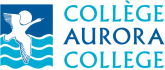
Northern Nursing Research Day celebrates Aurora College student research

Northern Nursing Research Day celebrates Aurora College student research

La version française suit le texte anglais

Aurora College School of Health and Human Services students and faculty celebrated and shared their knowledge at the annual Northern Nursing Research Day, November 29. The research day is an opportunity to showcase and honour scholarship and academic work of students, faculty and invited scholars.

Hosted by Aurora College and sponsored by Hotıì ts’eeda, the event featured a total of 21 research posters – 18 literature review researches from fourth-year BSN students and three research projects led by the faculty and Aurora Research Institute.

Most of the research projects are the culmination of the fourth-year Bachelor of Science in Nursing students’ Nursing Research course. The intent of the course is to increase understanding of nursing scholarship and enhance the students’ ability to comprehend, critique and utilize nursing research. To create the final product, students developed a research question, searched and collected literature and evidence, appraised the evidence, organized their findings, and then created recommendations for the clinical, research, education, and/or policy level, applicable to a northern context.

Students from Aurora College’s health programs – Bachelor of Science in Nursing, Practical Nurse Diploma and Personal Support Worker Certificate – were in attendance to view the research and attend sessions by guest speakers. Northern health care professionals were also on hand to view the student projects.

The People’s Choice Award award was presented to Therese E. Petak-Dube: Continuous Glucose Monitoring: Impacts on Blood Sugar Control

The topics chosen for the research posters and the unique approaches taken by the students underscore the importance of developing and applying research that is for the North, by the North and with the North, to improve the quality of care and to prioritize decolonizing approaches to advance nursing knowledge. The Northern Nursing Research Day also serves as a critical platform to highlight the importance of nursing research and the contribution nursing professionals make to improving health care practice and patient care in the north.

La Journée de la recherche nordique en soins infirmiers est l’occasion d’honorer les étudiants du Collège Aurora

Les étudiants et les enseignants de l’École des services de santé et des services sociaux du Collège Aurora ont célébré et partagé leurs connaissances lors de la Journée annuelle de recherche nordique en soins infirmiers, qui a eu lieu le 29 novembre. Cette journée est l’occasion de mettre en valeur et d’honorer les travaux de recherche et les travaux universitaires des étudiants, des professeurs et des chercheurs invités.

Organisé par le Collège Aurora et commandité par Hotıì ts’eeda, l’événement a permis de présenter un total de 21 affiches de recherche, dont 18 recherches par analyse documentaire, réalisées par des étudiants en quatrième année du baccalauréat en sciences infirmière et trois projets de recherche dirigés par le corps professoral et l’Institut de recherche Aurora.

La plupart des projets de recherche sont l’aboutissement du cours de recherche en soins infirmiers des étudiants de quatrième année. L’objectif de ce cours est de mieux comprendre la recherche en soins infirmiers et d’améliorer la capacité des étudiants à comprendre, critiquer et utiliser cette recherche. Pour créer le produit final, les étudiants ont développé une question de recherche, ont examiné la documentation et les données probantes, ont évalué les données probantes, ont organisé leurs résultats et ont ensuite formulé des recommandations pour le niveau clinique, la recherche, l’éducation ou les politiques, applicables au contexte nordique.

Des étudiants des programmes de santé du Collège Aurora (baccalauréat en sciences infirmières, diplôme d’infirmier auxiliaire autorisé et certificat en services de soutien à la personne) étaient présents pour voir les travaux de recherche et assister à des séances animées par des conférenciers invités. Des professionnels de la santé du Nord étaient également présents pour voir les projets des étudiants.

Le Prix Choix du public a été décerné à Therese E. Petak-Dube pour son projet Continuous Glucose Monitoring: Impacts on Blood Sugar Control (Surveillance continue du glucose : Incidence sur le contrôle de la glycémie).

Les sujets choisis pour les affiches de recherche et les approches uniques adoptées par les étudiants soulignent l’importance de développer et d’appliquer une recherche pour le Nord, par le Nord et avec le Nord, afin d’améliorer la qualité des soins et de privilégier les approches décolonisatrices pour faire progresser les connaissances dans le domaine des soins infirmiers. La Journée de la recherche nordique en soins infirmiers sert également de plateforme essentielle pour souligner l’importance de la recherche en soins infirmiers et la contribution des professionnels des soins infirmiers à l’amélioration des soins de santé et des soins aux patients dans le Nord.

Aurora College Board of Governors next regular meeting October 17-19, 2023

La version française suit le texte anglais.

MEDIA ADVISORY

Aurora College Board of Governors next regular meeting October 17-19, 2023

INUVIK, NT  (October 12, 2023) – The Aurora College Board of Governors will be holding a regular meeting in Inuvik October 17-19, 2023. Members of the public are welcome to attend.

Any person or group wishing to address, ask a question of, or make a presentation to the Board of Governors must make the request in writing no later than 12:00 PM on Monday, October 16. The question or presentation must be submitted either electronically or in hard copy by that date and time as well. Questions about the Board of Governors meeting may also be addressed to the contact email. Delegations are limited to two minutes in length and a maximum of six delegations per meeting

Delegations/presentations will be on the agenda at 3:00-4:00 PM on Wednesday, October 18.

WHAT:               Aurora College Board of Governors Meeting

WHEN:              October 17-19, 2023 (Oct. 17 – 2:00-5:00 PM, Oct. 18 – 8:30 AM-5:00 PM, Oct. 19 – 9:00 AM-12:00 PM)

WHERE:            Aurora Campus, Room 125, 87 Gwich’in Road, Inuvik

TO REQUEST MORE INFORMATION, ATTEND AS A DELEGATION, OR SUBMIT A QUESTION OR PRESENTATION, CONTACT:

Jayne Murray                                                                           

Manager, Communications & College Relations 

Aurora College                                                                         

Email: jmurray@auroracollege.nt.ca


Avis aux médias

La prochaine réunion ordinaire du Conseil des gouverneurs du Collège Aurora aura lieu du 17 au 19 octobre 2023

Inuvik (TNO), le 12 octobre 2023 – Le Conseil des gouverneurs du Collège Aurora tiendra une réunion ordinaire à Inuvik du 17 au 19 octobre 2023. Les membres du public sont invités à y assister.

Toute personne ou tout groupe souhaitant s’adresser, poser une question ou présenter un exposé au Conseil des gouverneurs doit en faire la demande par écrit aux coordonnées ci-dessous au plus tard le lundi 16 octobre, à midi. Les questions ou les présentations doivent également être soumises par courriel ou en format papier avant cette date. Les questions relatives à la réunion du Conseil peuvent être envoyées par courriel à la personne-ressource. La réunion pourra accueillir un maximum de six délégations et chacune aura un temps de présentation limité à deux minutes.

Les délégations et les présentations seront à l’ordre du jour le mercredi 18 octobre de 15 h à 16 h.

OBJET :                            Réunion du Conseil des gouverneurs du Collège Aurora

DATE ET HEURE :          du 17 au 19 octobre 2023 (17 octobre – 14 h-17 h, 18 octobre – 8 h 30-17 h, 19 octobre – 9 h-midi)

LIEU :                               Campus Aurora, salle 125, 87, chemin Gwich’in, Inuvik

POUR EN SAVOIR PLUS, POUR PRENDRE PART À UNE DÉLÉGATION OU POUR SOUMETTRE DES QUESTIONS OU UNE PRÉSENTATION, COMMUNIQUEZ AVEC :

Jayne Murray                                                                       

Gestionnaire des communications et des relations du Collège         

Collège Aurora                                                                     

Courriel : jmurray@auroracollege.nt.ca