Search

Do you enjoy cooking and would like to make it a career?

There are currently no upcoming scheduled deliveries for this program; the schedule for 2026-2027 has not yet been finalized.

Schools:

Location:

Program length:

  • 12 Weeks

Start date:

  • Contact the Registrar

Credential:

  • Aurora College Record of Participation

Delivery:

  • Classroom
  • Lab
Contact Aurora College for more information Apply Online

This 12-week (360 hour) program is designed to provide students with the knowledge and skills required to work as camp cooks in a variety of industrial or institutional settings. The program structure is based on the knowledge and skill competencies outlined in the NWT Camp Cook Occupational Standards. The program content focuses on professionalism, nutrition, safety, sanitation, safe food storage, and the preparation of a vast variety of foods typically consumed in a camp setting. These include soups, sauces, meat, poultry, fish, seafood, vegetables, fruits, pastas, grains, salads, sandwiches, appetizers, breakfast foods and a variety of baked goods.

Applicants must meet the following criteria:

  • Be 18 years of age or older.
  • Have successfully passed English 10-2 and Math 10-3 or equivalents.
  • Submit a medical clearance form: Be screened by Public Health for T.B. (negative Mantoux test) or present an explanatory letter from Public Health stating they do not have active tuberculosis.

The applicant must meet the eligibility requirements, and also should be:

  • In good physical condition
  • Able to withstand long hours of standing
  • Prepared to work under pressure
  • Able to work a flexible schedule
  • Prepared to deal with being away from home for extended periods of time
  • Self-reliant

Applicants will be admitted to the program based upon program eligibility.

This 12 week (360 hour) program is designed to provide students with the knowledge and skills required to work as camp cooks in a variety of industrial or institutional settings. The program structure is based on the knowledge and skill competencies outlined in the NWT Camp Cook Occupational Standards. The program content focuses on professionalism, nutrition, safety, sanitation, safe food storage, and the preparation of a vast variety of foods typically consumed in a camp setting. These include soups, sauces, meat, poultry, fish, seafood, vegetables, fruits, pastas, grains, salads, sandwiches, appetizers, breakfast foods and a variety of baked goods.

Upon completion of the program the students will be able to:

  1. Follow the professional standards expected by employers in the food preparation sector;
  2. Use safe kitchen practices with knives, stoves, ovens and other tools, equipment and appliances;
  3. Follow prescribed personal hygiene, sanitation and food storage procedures;
  4. Describe the importance of nutrition and its role in overall health;
  5. Prepare a variety of baked goods typically consumed in a camp environment;
  6. Prepare a variety of soups, stocks and sauces typically consumed in a camp environment;
  7. Prepare a variety of meat, poultry, fish and seafood typically consumed in a camp environment;
  8. Prepare a variety of vegetables, fruits, pasta and grains typically consumed in a camp environment;
  9. Prepare a variety of salads, sandwiches and appetizers typically consumed in a camp environment;

The pass mark for each course is 60 percent and students are required to pass all courses in the program.

Aurora College Record of Achievement

Learn basic skills in carpentry, plumbing and electrical trades

There are currently no scheduled deliveries for this program.

Schools:

Locations:

Program length:

  • 12 Weeks

Start date:

  • Contact the Registrar

Credential:

  • Aurora College Record of Participation

Delivery:

  • Classroom
  • Lab
Contact Aurora College for more information Apply Online

The Building Trades Helper program is a 12-week program that will prepare students for entry-level employment opportunities in the construction industry. Students will learn basic construction, renovation and maintenance tasks. These skills will enable students to assist trades people such as: carpenters, electricians, plumbers, drywallers, painters, and mechanical contractors.

Applicants wishing to enrol in this program must have: a desire to work in the Construction Industry, be physically fit and have good hand eye coordination.

Reference letters would be an asset.

Applicants need to:

  • Submit academic transcripts or Aurora College Adult Literacy and Basic Education records.
  • Submit a letter of interest explaining the desire to enter the program.

Applicants will be admitted to the program based upon program eligibility.

The program duration is 12 weeks. Students will be learning the theoretical components in synchronization with the practical components. The most modern equipment will be used in the learning process and will be fully representative of the construction environment. The different courses will be sequenced to enable students to perform the practical component with the greatest possible ease.

Upon successful completion of the program, the student will have:

  • Determined their personal suitability for work and continued study in the trades sector;
  • Gained knowledge and skills that will enhance their ability to function effectively within a construction setting;
  • Developed valuable employment and study skills.

Participants must complete all core courses in order to complete the program.

Aurora College Record of Participation

Work in NWT's resource extractions industry

There are currently no scheduled deliveries for this program.

Schools:

Location:

Program length:

  • 12 Weeks

Start date:

  • Contact Registrar

Credential:

  • Aurora College Certificate of Achievement

Delivery:

  • Classroom
  • Field-based Training
Contact Aurora College for more information

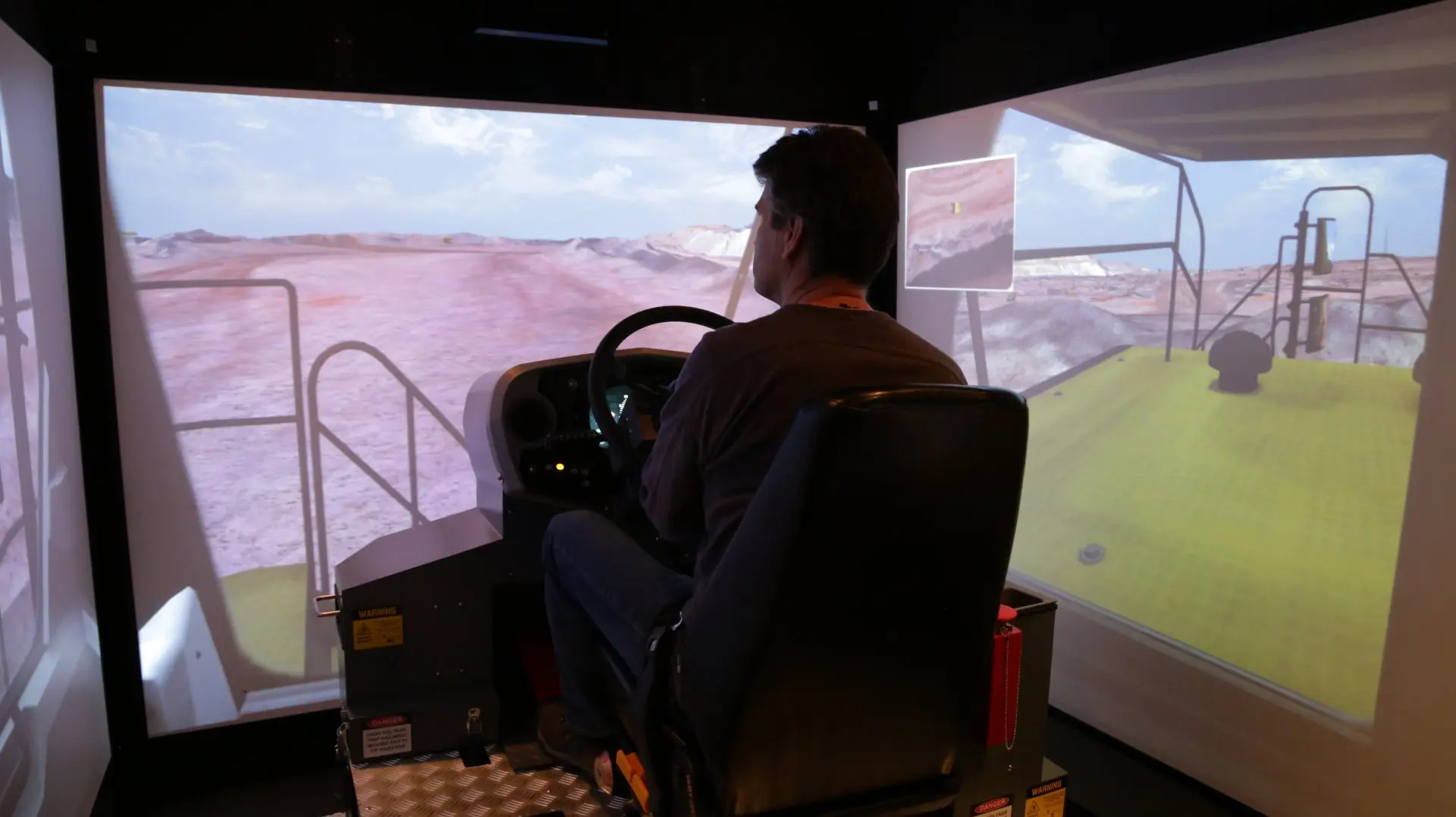
The 12-week (360 hours) Surface Miner Program will provide participants with entry-level knowledge, skills and attitudes outlined in the Mining Industry Human Resources Council (MIHR) National Occupational Standards for Surface Miners. In this practical, hands-on program, students will be introduced to surface mining operations and mine equipment operation in northern, cold-weather environments, using both mining equipment and simulators. The course content focuses on surface mining operations, mine safety and mobile mine equipment operation. Course delivery will have both a classroom-based and practical component including learning on simulators and at the Aurora College open pit training facility.

To be considered for the program, applicants must meet each of the criterion listed below:

  • Minimum 18 years of age prior to commencement of the training program;
  • Minimum of Grade 9 Mathematics and English, and/or successful completion of Adult Literacy and Basic Education equivalencies with transcripts;
  • Submission of a Criminal Records Check (applicants with a criminal record will be considered subject to a case-by-case review);
  • Completion of Aurora College Introduction to the Mining Industry Program.

Applicants must meet the eligibility requirements stated above.

Individual assessments and interviews may be required. Applicants in possession of letters of intent from prospective employers may receive preference.

In addition, applicants should be aware that employers will generally be seeking Surface Miners who:

  • Meet the physical requirements to complete assigned duties as determined through approved medical testing
  • Are prepared to be away from their home communities during work rotations
  • Possess a valid driver’s licence (based on employer policies), and
  • Are able to meet drug screening requirements.

Applicants will be admitted to the program based upon program eligibility and/or personal interviews.

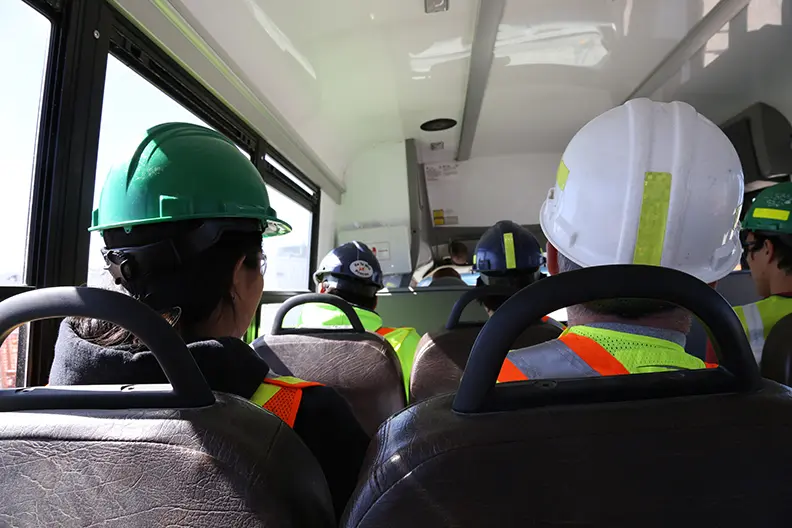
The Surface Miner Program is designed to give students a thorough and comprehensive introduction to surface mining operations. The program is based on 60 days at six hours per day, for a total of 360 hours over 12 weeks. It will be delivered at the Thebacha Campus in Fort Smith. Components of the program will include the use of simulators and on-site training at the Aurora College Open Pit Training Site.

The course material will focus on mine safety, surface mining operations and mobile mining equipment operation. Experiential learning activities will form a key component of the program, including simulator and mobile equipment operation. Students will learn to work with a partner and as part of a team. Attendance in both class and field activities is mandatory.

The primary objective of the program is to produce job-ready, entry-level Surface Miner Trainees. Students will be exposed to “real life” surface mining situations through the use of mobile mining equipment and simulators. Instruction will include the use of mobile mining equipment, simulators, guest speakers from industry, classroom activities, etc.

Students must:

  • Complete all courses to the satisfaction of the instructors
  • Attend classes and adhere to both Aurora College and program specific policies

Aurora College Record of Achievement

Train to work in one of the NWT Diamond Mines

Schools:

Location:

Program length:

  • 12 Weeks

Start date:

  • Contact Registrar

Credential:

  • Aurora College Certificate of Achievement

Delivery:

  • Classroom
  • Field-based Training
Contact Aurora College for more information

This program is designed to provide students with the necessary knowledge and basic skills to consider a career as an underground miner. Course content focuses on mining equipment operation using both underground mining equipment and simulators. As well, underground mining methods, mine services, mine safety and mine rescue theory will be taught. The total of 360 hours will be covered in 12 weeks. Course delivery will have a theoretical and practical component. Students will be able to understand and experience many of the daily routines of an underground mining operation. Certificate training courses will also be presented for Standard First Aid & CPR-A, WHMIS, and Mine Rescue – Theory.

Applicants wishing to enrol in this program must be 18 years of age. Individual assessments and interviews may be required. Successful completion of Introduction to the Mining Industry is a pre-requisite.

Applicants need to:

  • Submit a resume
  • Submit academic transcripts or Adult Literacy and Basic Education transcripts indicating a minimum Grade 9 or equivalent (applicants may be required to complete a placement test)

Applicants in possession of letters of intent from prospective employers will receive preference.

Applicants will be admitted to the program based upon program eligibility, applicant assessment results and/or personal interviews.

This 12-week program is designed to give students a thorough and comprehensive overview of underground mining operations with an emphasis on underground diamond mining. The course material will focus on underground mining careers with emphasis on underground mining equipment operation and mine safety. Experiential learning activities will form a key component of the program, including simulator and actual equipment operation. Students will learn how to work with a partner and as part of a team performing underground mine service duties. Attendance in both class and field activities is mandatory. Students will also receive industry recognized certificate training in First Aid & CPR-A, WHMIS, and Underground Mine Rescue – Theory.

The overall objective of the program is to provide participants with a thorough overview and understanding of the underground mining process, mine safety, mining methods and mining equipment operation. Instruction will be both theoretical and practical. Students will be exposed to “real life” situations by using available resources – underground mining equipment simulators, mining equipment, guest speakers from industry, field trips, classroom activities, etc. The objective is to produce job-ready, entry-level underground miner trainees.

Students must:

  • Complete all assignments to the satisfaction of the instructors.
  • Attend classes and adhere to both Aurora College and program specific policies.
  • Successfully complete all Operator’s Manuals for underground equipment.

Aurora College Record of Achievement

Become part of the NWT resource extraction community

There are currently no scheduled deliveries for this program.

Schools:

Program length:

  • 12 Weeks

Start date:

  • Contact Registrar

Credential:

  • Aurora College Certificate of Achievement

Delivery:

  • Classroom
Contact Aurora College for more information

The Mineral Processing Operator Pre-Employment training program has been designed to qualify candidates for entry-level positions in the area of mineral processing. This program was designed based on the core competencies outlined in the Mineral Processing Technician Occupational Standards (Apprenticeship and Occupational Certification division of Education, Culture and Employment, GNWT).

To be considered, applicants must meet each criterion listed below:

  • Minimum Grade 9 Mathematics and English, and successful completion of the Test of Workplace Essential Skills (TOWES-G1);
  • A clean criminal record (applicants with a criminal record will be considered subject to a case-by-case review by the participating diamond mine);
  • Minimum 18 years of age prior to commencement of the training program; and
  • Favourable references from at least two recent supervisors.

Applicants will be assessed based on program eligibility criteria.

Applicants will be admitted based on program eligibility criteria.

The program is delivered in two phases. The first phase is a 12-week classroom and shop component that focuses on Orientation to the Industrial Workplace, Safety, Operations, Equipment, Foundation Skills, and Skid-Steer training for the Mineral Processing Operator. The second component of the program is based on-site at an operating diamond mine. The on-site portion provides students with the opportunity to apply the knowledge and skills addressed in the first part of the program.

The second portion of the program is 504 hours long, beginning with a two-week rotation at the mine site, followed by two weeks off, followed by a two-week rotation at the mine site, followed by a two-week rotation off, followed by a final two-week on-rotation. While at the mine, students will be working 12 hours per day every day.

Upon completion of this program, students will be able to:

  • Understand the main hazards in a mineral processing facility;
  • Understand the main stages in a mineral processing system;
  • Understand equipment and components in mineral processing;
  • Know the key duties of a mineral processing operator.

Students must successfully complete all courses in order to pass the program.

Aurora College Record of Achievement

Learn the skills to become a oil heat systems technician

Schools:

Location:

Program length:

  • 8 Weeks

Start date:

  • Level 1: April 5, 2027 - May 28, 2027

Credential:

  • Completion of Apprenticeship and Certificate of Qualificiation from the GNWT

Delivery:

  • Classroom
  • Shop
Contact Aurora College for more information

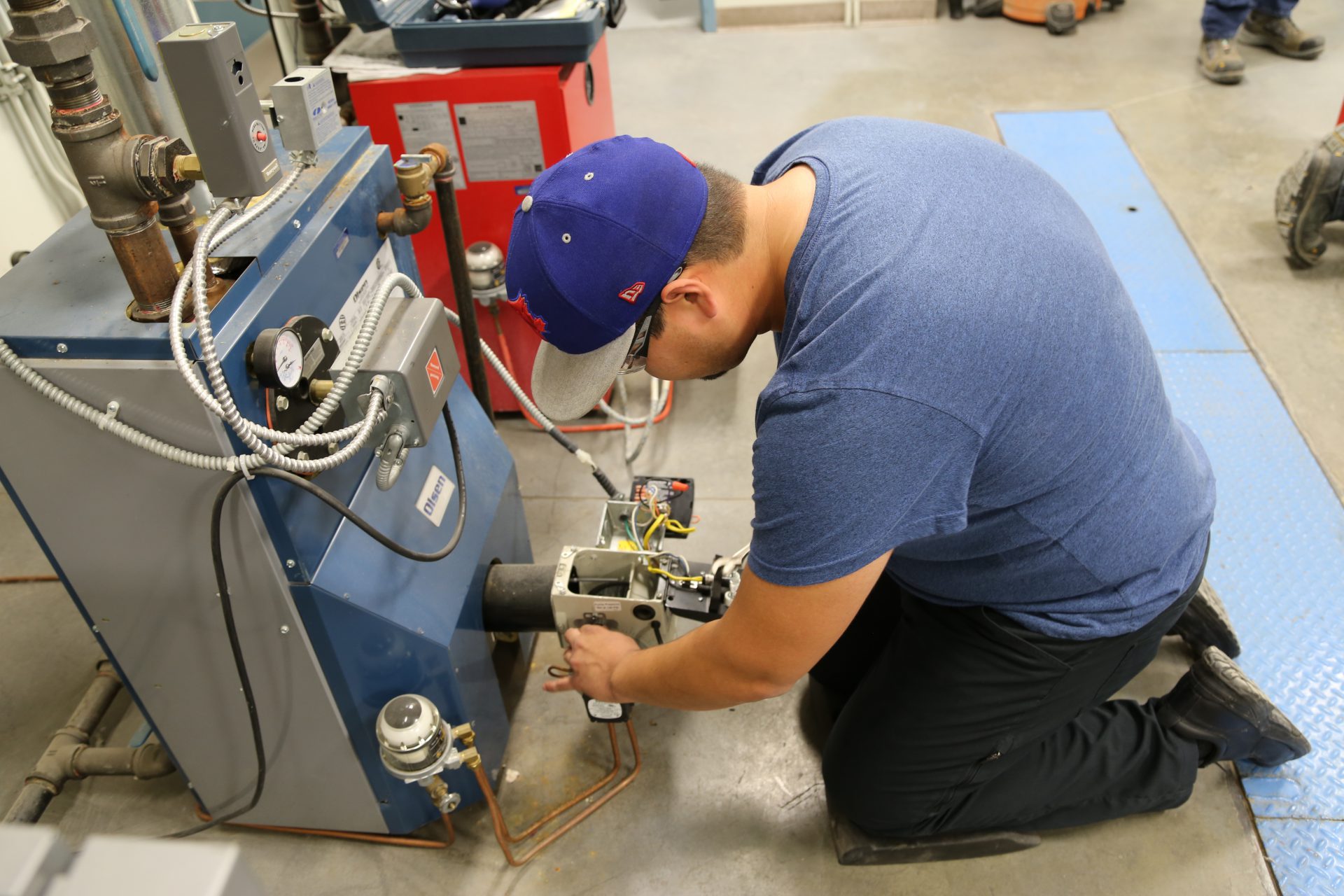
The Oil Heat Systems Technician is designed to provide theory and practice in the installation, service, adjustment and repair of high pressure, low pressure, and vaporizing oil burners and in the installation, service and repair of associated oil storage tank installations and piping systems.  Students will also be taught to troubleshoot electrical, mechanical, airflow, and chimney or combustion malfunctions using testing equipment.

The Oil Heat Systems Technician Program is designed for individuals with previous experience in a related trade and provides the technical training required for these individuals to challenge the TQ Exam. It also makes provision for persons not challenging the TQ Exam to obtain knowledge about oil heat systems.

This program outline is based on the 2015 National Occupational Analysis for Oil Heat System Technicians.

Program participants must be registered with the GNWT, Department of Education, Culture and Employment Apprenticeship, Trades and Occupation Certification prior to registering at Aurora College.

Eligibility is divided into two separate categories to allow individuals other than Plumber/Gasfitters that have experience in Oil Heat Systems to participate in the OHST Theory.

We are currently updating the Program Eligibility and will be updating shortly, contact the School of Trades Apprenticeships and Industrial Training at 872-7555 for more information.

Program applicants are assessed by the GNWT. Service is accessed through a local career service centre. Anyone wishing to become an OHST apprentice must:

  • Be at least 18 years of age
  • Be physically capable of performing the work involved as an Oil Heat System Technician.
  • Have a genuine desire to become a good tradesperson.
  • Find a suitable employer who holds a Journey certificate in the OHST trade or employs the holder of a Journey certificate in the trade and who is willing to hire and train the applicant.
  • Obtain an overall average of 70% and a minimum of 50% in each of the subsections (mathematics, English and science) on the Trades Entrance Examination, Cluster #4.

Participants will be admitted to this program based on the eligibility requirements set by the GNWT.

Oil Heat Systems Technicians install, repair and maintain all types of oil-fired domestic and commercial appliances, equipment, components and systems. On new installations, they may design, assemble and install the heating and ventilation systems, install oil burner components such as control devices and associated wiring, install fuel supply systems and connect the plumbing to mechanical and electrical systems. They may also install, maintain and repair wood/oil heating systems. Oil Heat Systems Technicians work in residential, commercial and industrial sectors. This program recognizes similarities and overlaps with the work of other trades such as refrigeration and air conditioning mechanics, gasfitters, plumbers, sheet metal workers, electricians and housing maintainers. Curriculum requirements are set by the GNWT. Participants will be exposed to the program concepts through lectures, discussions, demonstrations, independent study and group study. They will then be given opportunities for skill development through a series of practical applications.

The graduate of the Oil Heat Systems Technician Program will be able to:

  1. Perform assigned tasks in accordance with quality and production standards required by industry while practicing safety and maintaining a safe work environment.
  2. Install and maintain oil-burning and oil combination liquid medium heating appliances.
  3. Install and maintain oil burning and oil combination warm air heating appliances.
  4. Install and maintain waste oil burners.
  5. Install and maintain fuel supply to oil-burning equipment.
  6. Condition oil-burning equipment and appliances annually.
  7. Condition oil combination burning equipment and appliances annually.
  8. Troubleshoot, repair and replace burners and components.
  9. Troubleshoot, repair, and replace controls.
  10. Troubleshoot, repair, and replace warm-air appliances.
  11. Troubleshoot, repair, and replace liquid medium appliances.
  12. Evaluate existing system and plan new system.
  13. Provide safe and efficient systems.
  14. Remove existing equipment.
  15. Install retrofit systems.
  16. Be knowledgeable of codes, regulations and rules governing oil burner systems.
  17. Be proficient in new and advancing technology.

Theoretical and practical assignments and written examinations are used to evaluate participant success.

Course marks are weighted based on a formula provided by the Apprenticeship Trades and Occupational Certification division of Education Culture and Employment.

In order for a participant to pass their apprenticeship level training, they must achieve a theory mark of 65% or greater, obtain a shop mark of 65% or greater and complete all assigned work.

A participant who fails technical training must repeat the training regardless of the result obtained on the level examinations administered by the GNWT.
Participants must achieve a mark of 70% in the GNWT-administered level examination in order to progress to the next level of technical training.

“An apprentice who is absent from a trade instruction course in which he or she is enrolled for more than 5% of the total time of the course may be terminated from that course by the supervisor and be subsequently scheduled to repeat the entire course.”

 Article 20 (1), NWT Apprenticeship, Trade and Occupations Certification Regulations

Students who enter the program under the first category of eligibility will receive a Record of Achievement Certificate upon successfully completing the program with a 65% passing grade in all courses. Students who complete the program but who do not achieve a 65% passing grade will be issued a Record of Participation Certificate.

Students who enter the program under the second category of eligibility criteria must achieve a 65% passing grade in order to qualify to challenge the Interprovincial Oil Burner Examination. A passing grade of 70% on the IP Examination will earn Red Seal Certification in the OHST Trade.

Important Information

Participants in Apprenticeship programs must be registered Canadian apprentices in the level to which they are applying. Aurora College can accept apprentices from jurisdictions across Canada, however, all participants must be registered with the Government of the Northwest Territories Apprenticeship Division (apprenticeship@gov.nt.ca) prior to registering with Aurora College.

For more information about the above visit: www.ece.gov.nt.ca/en/services/apprenticeship-and-trades

Plumber/Gasfitter is an in-demand trade

Schools:

Location:

Program length:

  • 8 Weeks

Start date:

  • Level 1: October 19, 2026 - December 11, 2026. Level 2: January 11, 2027 - March 5, 2027.

Credential:

  • Completion of Apprenticeship and Certificate of Qualificiation from the GNWT

Delivery:

  • Classroom
  • Shop
Contact Aurora College for more information

The Apprenticeship Plumber/Gasfitter Program is designed to train participants to plan, install, and service plumbing systems, fixtures, piping equipment, and controls. These piping systems may be used to transport water, waste, gases, or hot liquids.  Due to the nature of the work of a Plumber/Gasfitter, it is imperative that safety be taught on a continuous basis throughout this program.

This program outline is based on the NWT/Alberta Plumber/Gasfitter Apprenticeship Course Outline issued by the Government of the Northwest Territories (GNWT).

The goal of apprenticeship training is to develop competent Journeypersons through a combination of on-the-job and technical training.

The Apprenticeship Plumber/Gasfitter Program at Aurora College provides two of four levels of technical training.

Program participants must be registered with the GNWT, Department of Education, Culture and Employment (Apprenticeship Division) prior to registering at Aurora College.

Program applicants are assessed by the GNWT.  Service is accessed through a local career service centre. Anyone wishing to become a Plumber apprentice must:

  • Be at least 16 years of age
  • Be physically capable of performing the work involved in the Plumber/Gasfitter trade
  • Have a genuine desire to become a good tradesperson
  • Find a suitable employer who holds a Journey certificate in the Plumber trade or employs the holder of a Journey certificate in the trade and who is willing to hire and train the applicant.
  • Meet either Option A or Option B of the Apprenticeship Program Entry Requirements.

Participants will be admitted to this program based on the eligibility requirements set by the GNWT.

Aurora College provides technical training for two of the four levels that comprise a Plumber/Gasfitter apprenticeship.  Each level of technical training is 240 hours (eight weeks).

Curriculum requirements are set by the GNWT.

Participants must take the full level in its entirety.

Participants are exposed to the program concepts through lectures, discussions, demonstrations, independent study and group study.  They are then given opportunities for skill development through a series of practical applications.

Level 1

The objectives of this level are to enable graduates to carry out the tasks required of a Level 2 apprentice in a responsible, competent and safe manner.  These tasks include:

  1. Apply legislation, regulations and practices ensuring safe work in this trade.
  2. Use hand and power tools common to the pipe trades. Construct and pressure test various types of piping system components use in the Pipe trades.  Describe pumps for piping systems.
  3. Apply safe work practices according to Occupational Health and Safety Act (OH&S) legislation. Use oxy-fuel and arc welding equipment.
  4. Develop and interpret single line pipe drawings. Apply sketching and drawing concepts.
  5. Perform various calculations using both metric and imperial measurements, required to accurately determine information required in the field. This includes volumetric capacities for tanks and cylinders, 45° and 90° offsets for piping systems.

Level 2

The objectives of this level are to enable graduates to carry out the tasks required of a level 3 apprenticeship in a responsible, competent and safe manner.  These tasks include:

  1. Install and service DWV and potable water systems in a single-family dwelling.
  2. Perform various calculations including heat loss, heat transfer, buoyancy and other scientific fundamentals relating to temperature and heat transfer.
  3. Install and service hydronic heating systems; install cooling systems and identify mechanical ventilation components with a hydronic system.
  4. Install and service various types of specialty piping used in the pipe trades.  Recognize medical gas piping systems; install a branch into an operational system.
  5. Calculate offsets for piping systems.  Locate piping and equipment from a set of drawings.  Perform rigging techniques.

Theoretical and practical assignments and written examinations are used to evaluate participant success.

School course marks are weighted based on a formula provided by Apprenticeship and Occupational Certification, Government of the Northwest Territories.

In order for a participant to pass their apprenticeship level schooling, they must achieve a school mark of 65% or greater, obtain a shop mark of 65% or greater and complete all school work.

A participant who fails technical training must repeat the training regardless of the result obtained on the level examinations administered by the GNWT.

Participants must achieve a mark of 70% in the GNWT-administered level examination in order to progress to the next level of technical training.

“An apprentice who is absent from a trade instruction course in which he or she is enrolled for more than 5% of the total time of the course may be terminated from that course by the supervisor and be subsequently scheduled to repeat the entire course.”

Article 20(1), NWT Apprenticeship, Trade and Occupations Certification Regulations

Level 1:  Certificate of Status Level 2 from the GNWT.

Level 2:  Certificate of Status Level 3 from the GNWT.

Important Information

Participants in Apprenticeship programs must be registered Canadian apprentices in the level to which they are applying. Aurora College can accept apprentices from jurisdictions across Canada, however, all participants must be registered with the Government of the Northwest Territories Apprenticeship Division (apprenticeship@gov.nt.ca) prior to registering with Aurora College.

For more information about the above visit: www.ece.gov.nt.ca/en/services/apprenticeship-and-trades

Housing Maintainers offer vital services to Northerners

Schools:

Location:

Program length:

  • 8 Weeks

Start date:

Credential:

  • Completion of Apprenticeship and Certificate of Qualificiation from the GNWT

Delivery:

  • Classroom
  • Shop
Contact Aurora College for more information

The Apprenticeship Housing Maintainer program is designed to train apprentices to perform preventative and on-demand maintenance, minor repairs, and modernization improvements on existing physical structures and components of buildings.   Due to the nature of the work of housing maintainers, safety is taught on a continuous basis throughout this program.

This program outline is based the NWT Housing Maintainer Course Outline issued by the Government of the Northwest Territories (GNWT).

The goal of apprenticeship training is to develop a competent journeyperson through a combination of on-the-job and technical training.

The Apprenticeship Housing Maintainer program at Aurora College provides all three levels of technical training.

Program participants must be registered with the GNWT, Department of Education, Culture and Employment (Apprenticeship Division) prior to registering at Aurora College.

Program applicants are assessed by the GNWT.  Service is accessed through a local career service centre.  Anyone wishing to become a Housing Maintainer apprentice must:

  • Be at least 16 years of age
  • Be physically capable of performing the work involved in the Housing Maintainer trade
  • Have a genuine desire to become a good tradesperson
  • Find a suitable employer, who holds a Journey certificate in the Housing Maintainer trade or employs the holder of a Journey certificate in the trade and who is willing to hire and train the applicant.
  • Obtain an overall average of 70% and a minimum of 50% in each of the subsections (Mathematics, English and Science) on the Trades Entrance Examination, Cluster #2.  The relevant trades are listed below:
Eligible Supervising Trades
Level One housing maintainer, oil heat systems technician, gasfitter, power engineer
Level Two housing maintainer, plumber, gasfitter, power engineer
Level Three housing maintainer, carpenter

Participants will be admitted to this program based on the eligibility requirements set by the GNWT.

Aurora College provides technical training for each of the three levels that comprise a Housing Maintainer Apprenticeship.  Each level of technical training is 240 hours (eight weeks).

Curriculum requirements are set by the GNWT.

Participants must take each level in its entirety.

Participants are exposed to the program concepts through lectures, discussions, demonstrations, independent study and group study.  They are then given opportunities for skill development through a series of practical applications.

Level 1

The objectives of this level are to enable graduates to carry out the tasks required of a Housing Maintainer in a responsible, competent and safe manner.  These tasks include:

  1. Describing safe work practices related to jobsite conditions.
  2. Describing and identifying the tools used for heating work.
  3. Describing heating systems with the focus on oil burners and warm-air appliances.
  4. Reading and interpreting construction documents, including blueprints and specifications.
  5. Understanding the fundamentals of electricity and performing basic electrical maintenance tasks.

Level 2

The objectives of this level are to enable graduates to carry out the tasks required of a Housing Maintainer in a responsible, competent and safe manner.  These tasks include:

  1. Describing and understanding safety legislation for the trade.
  2. Describing and safely using tools for Hydronic Heating work.
  3. Understanding heating systems; specifically the installation and servicing of hot water heating for a single-family dwelling, including boilers and trim.
  4. Describing key components of the plumbing systems including fittings, piping, hangers, flush valves, and fixtures.
  5. Describing the heat transfer process; and applying the process to relative pipe trades.
  6. Implementing basic heat calculations relevant to the trade; utilizing both metric and imperial values.

Level 3

The objectives of this level are to enable graduates to carry out the tasks required of a Housing Maintainer in a responsible, competent and safe manner.  These tasks include:

  1. Describing and demonstrating safe use of tools and equipment for carpentry work.
  2. Demonstrating how to utilize construction documents for planning maintenance and construction projects.
  3. Describing foundation systems used in the North.
  4. Performing preventative and on-demand maintenance.
  5. Performing minor repairs

Theoretical and practical assignments and written examinations are used to evaluate participant progress.

Course marks are weighted based on a formula provided by Apprenticeship & Occupational Certification, Government of the Northwest Territories.

In order for a participant to pass their apprenticeship level training, they must achieve a class mark of 65% or greater, obtain a shop mark of 65% or greater and complete all course work.

A participant who fails technical training must repeat the training regardless of the result obtained on the level examinations administered by the GNWT.

“An apprentice who is absent from a trade instruction course in which he or she is enrolled for more than 5% of the total time of the course may be terminated from that course by the supervisor and be subsequently scheduled to repeat the entire course.”

Article 20 (1), NWT Apprenticeship, Trade and Occupations Certification Regulations

Participants must achieve a mark of 70% in the GNWT-administered level examination in order to progress to the next level of technical training.

Completion of Apprenticeship Certificate and a Certificate of Qualification at the Journeyperson Level

Important Information

Participants in Apprenticeship programs must be registered Canadian apprentices in the level to which they are applying. Aurora College can accept apprentices from jurisdictions across Canada, however, all participants must be registered with the Government of the Northwest Territories Apprenticeship Division (apprenticeship@gov.nt.ca) prior to registering with Aurora College.

For more information about the above visit: www.ece.gov.nt.ca/en/services/apprenticeship-and-trades

Heavy Equipment Technicians provide an important service

Schools:

Location:

Program length:

  • 8 Weeks

Start date:

  • Level 1: October 19, 2026 - December 11, 2026. Level 2: January 11, 2027 - March 5, 2027.

Credential:

  • Completion of Apprenticeship and Certificate of Qualificiation from the GNWT

Delivery:

  • Classroom
  • Shop
Contact Aurora College for more information

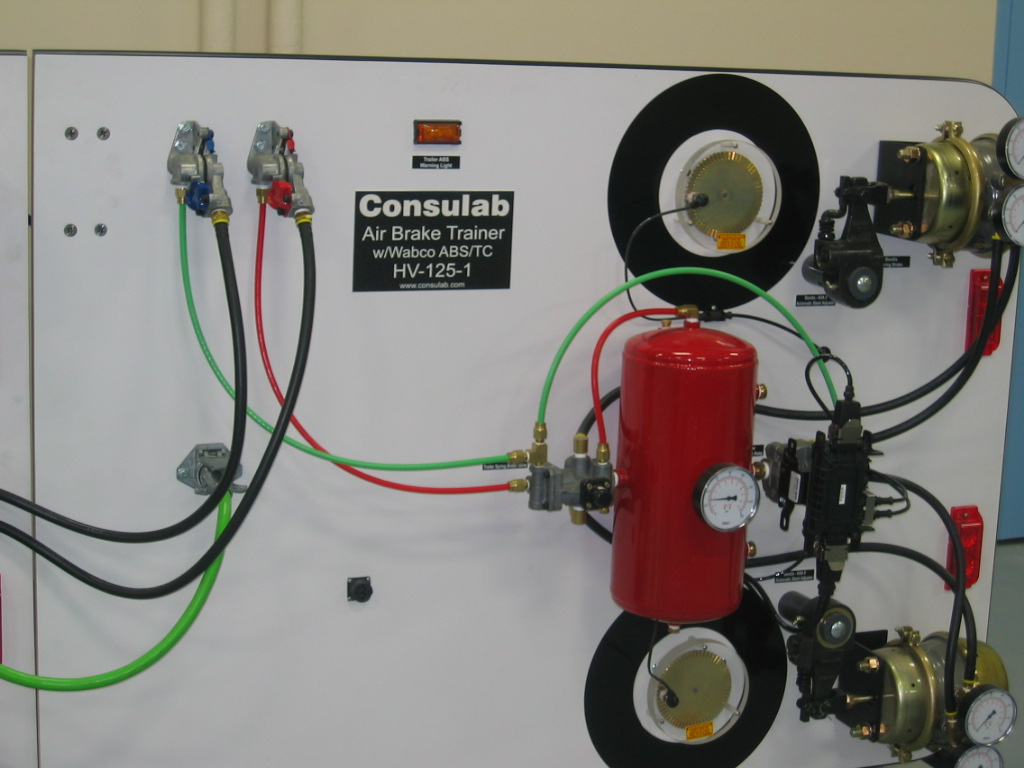
The Apprenticeship Heavy Equipment Technician (HET) Program is designed to train apprentices to diagnose, test, service and perform preventative maintenance on:  hydraulic, air and electric braking systems; trailer systems and components; electrical circuits, lighting and electronic control systems; and hydraulic systems.  Due to the nature of the work of the HET, it is imperative that safety be taught on a continuous basis throughout this program.

This program outline is based on the NWT/Alberta Heavy Equipment Technician Apprenticeship Course Outline.

The goal of apprenticeship training is to develop competent journeypersons through a combination of on-the-job and technical training.

The Apprenticeship HET Program at Aurora College provides two of the four levels of technical training.

Program participants must be registered with the GNWT, Department of Education, Culture and Employment (Apprenticeship Division) prior to registering at Aurora College.

Program applicants are assessed by the GNWT. Service is accessed through a local career service centre. Anyone wishing to become a HET apprentice must:
  • Be at least 16 years of age
  • Be physically capable of performing the work involved in the HET trade
  • Have a genuine desire to become a good tradesperson
  • Find a suitable employer, who holds a Journey certificate in the HDET trade or employs the holder of a Journey certificate in the trade and who is willing to hire and train the applicant
  • Obtain an overall average of 70% and a minimum of 50% in each of the subsections (mathematics, English and science) on the Trades Entrance Examination, Cluster #3

Participants will be admitted to this program based on the eligibility requirements set by the GNWT.

Aurora College provides technical training for two of the four levels that comprise a HET apprenticeship.  Each level of technical training is 240 hours (eight weeks).

Curriculum requirements are set by the GNWT.

Participants must take the full level in its entirety.

Participants are exposed to the program concepts through lectures, discussions, demonstrations, independent study and group study. They are then given opportunities for skill development through a series of practical applications.

The objectives of this level are to enable graduates to carry out the tasks required of a level 2 apprentice in a responsible, competent, and safe manner. These tasks include:

  1. Diagnosing, service-testing and performing preventative maintenance on hydraulic, air and electronic braking systems; trailer systems and components; electrical circuits, lighting and electronic control systems; and hydraulic systems.
  2. Using and maintaining hand and power tools in order to carry out repairs.
  3. Reading and understanding work orders, preparing estimates and interpreting technical manuals.
  4. Writing service reports, diagnosing the cause and cost of failures, and keeping service analysis records.
  5. Performing assigned tasks in accordance with safety, quality and production standards required by government and industry.

Theoretical and practical assignments and written examinations are used to evaluate participant success.

Course marks are weighted based on a formula provided by Apprenticeship and Occupational Certification, Government of the Northwest Territories.

In order for a participant to pass their apprenticeship level training, they must achieve a class mark of 65% or greater, obtain a shop mark of 65% or greater and complete all course work.

A participant who fails Aurora College technical training must repeat the training regardless of the result obtained on the level examinations administered by the GNWT.

“An apprentice who is absent from a trade instruction course in which he or she is enrolled for more than 5% of the total time of the course may be terminated from that course by the supervisor and be subsequently scheduled to repeat the entire course.”

Article 20(1), NWT Apprenticeship, Trade and Occupations Certification Regulations

Participants must achieve a mark of 70% in the GNWT-administered level examination in order to progress to the next level of technical training.

Level 1:  Certificate of Status Level 2 from the GNWT.

Level 2:  Certificate of Status Level 3 from the GNWT.

Note:  Participants who successfully complete Level 1 may also be issued a Transport Trailer Mechanic Certificate of Qualification by the GNWT.

Important Information

Participants in Apprenticeship programs must be registered Canadian apprentices in the level to which they are applying. Aurora College can accept apprentices from jurisdictions across Canada, however, all participants must be registered with the Government of the Northwest Territories Apprenticeship Division (apprenticeship@gov.nt.ca) prior to registering with Aurora College.

For more information about the above visit: www.ece.gov.nt.ca/en/services/apprenticeship-and-trades

Electricians work in every aspect of the construction industry

Schools:

Location:

Program length:

  • 8 Weeks

Start date:

  • Level 2: October 19, 2026 - December 11, 2026. Level 1: January 11, 2027 - March 5, 2027. Level 3: April 5, 2027 - June 11, 2027

Credential:

  • Completion of Apprenticeship and Certificate of Qualificiation from the GNWT

Delivery:

  • Classroom
  • Shop
Contact Aurora College for more information

The Apprenticeship Electrician (Construction) program is designed to train apprentices to install, alter, repair, and maintain electrical systems designed to provide heat, light, power, control, signal or fire alarms for all types of buildings, structures and premises. Due to the nature of the work of the electrician, it is imperative that safety be taught on a continuous basis throughout this program.

This program outline is based on the NWT/Alberta Electrician Apprenticeship Course Outline.

The goal of apprenticeship training is to develop competent journeypersons through a combination of on-the-job and technical training.

The Apprenticeship Electrician (Construction) program at Aurora College provides three of the four levels of technical training.

Program participants must be registered with the GNWT, Department of Education, Culture and Employment (Apprenticeship Division) prior to registering at Aurora College.

Program applicants are assessed the GNWT. Service is provided through a local career service centre. Anyone wishing to become an Electrician apprentice must:
  • Be at least 16 years of age.
  • Be physically capable of performing the work involved in the electrician trade.
  • Have a genuine desire to become a good tradesperson.
  • Find a suitable employer who holds a Journey certificate in the electrician trade or employs the holder of a Journey certificate in the trade and who is willing to hire and train the applicant.
  • Obtain an overall average of 70% and a minimum of 50% in each of the subsections (mathematics, English and science) on the Trades Entrance Examination, Cluster #5.

Participants will be admitted to this program based on the eligibility requirements set by the GNWT.

Aurora College provides technical training for three of the four levels that comprise an electrician apprenticeship.  Each of the first three levels of technical training is 240 hours (eight weeks). Curriculum requirements are set by the GNWT.
Participants must take each level in its entirety.
Participants are exposed to the program concepts through lectures, discussions, demonstrations, independent study and group study.  They are then given opportunities for skill development through a series of practical applications.

Level 1
The objectives of this level are to enable graduates to carry out the tasks required of a level 2 electrician in a responsible, competent and safe manner. These tasks include:

  1. Interpreting the general sections of the electrical code.
  2. Understanding and wiring basic switching control systems.
  3. Reading and interpreting drawings and diagrams.
  4. Understanding basic electrical theory and circuits.
  5. Working safely in the electrical field.

Level 2
The objectives of this level are to enable graduates to carry out the tasks required of a level 3 electrician in a responsible, competent and safe manner. These tasks include:

  1. Interpreting the general sections and amendatory sections of the electrical code.
  2. Understanding and wiring motor control systems.
  3. Reading and interpreting drawings and diagrams.
  4. Understanding the three characteristics of ac ctts.
  5. Understanding and wiring HVAC controls and systems.

Level 3
The objectives of this level are to enable graduates to carry out the tasks required of a level 4 electrician in a responsible, competent and safe manner. These tasks include:

  1. Interpreting the general and amendatory sections of the electrical code.
  2. Understanding and wiring 3-phase transformers, both wye and delta combinations.
  3. Reading and interpreting drawings and diagrams.
  4. Understanding the theory of and wire 3-phase motors and controllers.
  5. Safely installing motor control and transformer banks.

Theoretical and practical assignments and written examinations are used to evaluate participant progress.

School course marks are weighted based on a formula provided by Apprenticeship & Occupational Certification, Government of the Northwest Territories.

In order for a participant to pass their apprenticeship level schooling, they must achieve a school mark of 65% or greater, obtain a shop mark of 65% or greater and complete all school work.

A participant who fails technical training must repeat the training regardless of the result obtained on the level examinations administered by the GNWT.

Participants must achieve a mark of 70% in the GNWT-administered level examination in order to progress to the next level of technical training.

“An apprentice who is absent from a trade instruction course in which he or she is enrolled for more than 5% of the total time of the course may be terminated from that course by the supervisor and be subsequently scheduled to repeat the entire course.”

Article 20 (1), NWT Apprenticeship, Trade and Occupations Certification Regulations

Level 1:   Certificate of Status Level 2 from the GNWT

Level 2:   Certificate of Status Level 3 from the GNWT

Level 3:   Certificate of Status Level 4 from the GNWT

Important Information

Partipants in Apprenticeship programs must be registered Canadian apprentices in the level to which they are applying. Aurora College can accept apprentices from jurisdictions across Canada, however, all participants must be registered with the Government of the Northwest Territories Apprenticeship Division (apprenticeship@gov.nt.ca) prior to registering with Aurora College.


For more information about the above visit: www.ece.gov.nt.ca/en/services/apprenticeship-and-trades