Search

Business Administration opens doors to a variety of career options

One of Aurora College’s long-running academic programs is the Business Administration (BA) Diploma, which offers flexible delivery methods and a range of course options. Graduates are employed in communities throughout the north and beyond in a variety of positions with governments, private industry and the non-profit sector.

A education in Business Administration equips graduates with the entrepreneurial skills and solid business knowledge needed to explore careers in finance, human resources, marketing, business management, and more.

Instructor Joanna Hartley says one of the key strengths of Business Administration is that students can attain a variety of business skills without being locked into a narrow career path. The program offers several streams and specializations designed to more precisely tap into different career interests and goals.

“I think the biggest selling point of the BA program is its versatility—what you learn is applicable to a wide range of career paths,” she explains. “Business administration can apply to so many different careers and positions. I think that that is really its greatest feature.”

The two-year program is offered through Aurora College’s three campuses and online, and can be taken full-time or part-time. Small class sizes allow more one-on-one time with instructors. Classes include students from across the campuses and online so that all students have access to the same learning opportunities and class discussions. Guest speakers with rich experiences and real-world examples add relevant, engaging content to the curriculum.

Students in Business Administration tend to be a diverse group – ranging from “straight out of high school” to older adults and individuals with a rich variety of educational, cultural, work and business experiences. That diversity enhances the learning environment and opportunities for learning for all students within the program.

A unique aspect of Aurora College’s program is the focus on preparing graduates to work in northern and Indigenous organizations and communities. In smaller organizations, employees need to be more flexible, adaptable, and well-rounded in their skills and knowledge, including knowledge of Indigenous culture and governance.

Another option within the Business Administration Diploma is the Accounting Stream. Students can focus on a number of accounting courses to earn the Business Administration Diploma – Accounting Stream, which can be used to gain employment in finance positions or prepare for further education to become an accountant.

Many graduates choose to pursue a Bachelor of Business Administration, transferring many of their credits earned at Aurora College to degrees at other institutions. Within the next few years, Aurora College will be introducing a new Bachelor of Business Administration with a focus on Indigenous Governance and Leadership. Completion of the diploma program will lead directly to the degree, with a minimum grade point average and prerequisites.

Applications are open now for fall 2026 classes. Check out our website (insert link) for more information.

Alumni Testimonials
“I always wanted an office job, and I knew the Business Diploma would allow me to gain a better occupation. This program enhanced my communication, management, and marketing skills. I learned much about the economy, how a business can be successful, and I gained a better understanding of accounting.”
— Angela Voudrach
Inuvik, NT
Senior Accounting Clerk
GNWT Department of Finance


“We had instructors who truly wanted us to succeed. They gave us room to fail and the encouragement to bounce back. That kind of learning environment is rare—and it’s powerful.”
— Tarilee Wedzin
Executive Administrative Coordinator (EAC)
Government of the Northwest Territories
Yellowknife Garden Metals Study shows veggies safe to eat  

Yellowknife Garden Metals Study shows veggies safe to eat  

YELLOWKNIFE, NT – Is it safe to eat vegetables from gardens in Yellowknife? YES!

Since 2020, Aurora Research Institute – the research division of Aurora College – has been working with Queen’s University and Royal Military College of Canada (RMC) to test soils and garden produce for levels of arsenic and other mining associated metals. Aurora Research Institute (ARI) is hosting a public discussion on Tuesday, February 10 to learn about the results of a recent study examining risks associated with eating garden-grown vegetables in Yellowknife.

Growing vegetables locally remains an important hobby and food source for many Northerners looking for ways to reduce costs and seek healthier food options. The study conducted by ARI, Queen’s and RMC is the most thorough and detailed examination of garden soils and vegetables in the region to date. Based on the findings, risks associated with eating locally grown produce are very low.

Experts will be available to discuss the study results and offer tips on how to improve the safety of home vegetable gardens.

Garden Metals Study Discussion

Date:                    February 10, 2026
Time:                    7:00 to 8:30 PM
Location:             Northern United Place Auditorium, Yellowknife

Everyone is welcome to attend; food and door prizes will be available.


Une étude sur les métaux dan les jardins de Yellowknife confirme la sécurité des légumes cultivés

YELLOWKNIFE, TNO – Peut-on consommer sans risque les légumes des jardins de Yellowknife ? QUI !

Dupuis 2020, l’Institute de recherche Aurora (IRA), la division de recherche du Collège Aurora, collabore avec l’Université Queen’s et le Collège militaire royal du Canada (CMR) afin d’analyser les sols et les récoltes pour y détecter les niveaux d’arsenic et d’autres métaux liés a l’exploitation minière. L’IRA organise une discussion publique le mardi 10 février pour présenter les résultats d’une étude récente portant sur les risques associés à la consommation de légumes cultivés dans the jardins de Yellowknife.

Cultiver ses propres légumes demeure un loisir important et une source alimentaire essentielle pour de nombreux résidents du Nord qui cherchent à réduire leurs dépenses et à privilégier une alimentation plus saine. L’étude menée par l’IRA, l’Université Queen’s et le CMR est l’analyse la plus complète et détaillée des sols et des légumes de la région à ce jour. Selon les conclusions, les risques associés à la consommation de produits locaux sont très faibles.

Des experts seront présents pour discuter des résultats de l’étude et donner des conseils pour améliorer la sécurité des potagers familiaux.

Discussion sur l’étude des métaux dans les jardins

Date :                   10 février 2026
Heure :                19 h à 20 h 30
Lieu :                    Auditorium Northern United Place, Yellowknife

Tout le monde est le bienvenu ; nourriture et prix de présence offerts.

Seeking Board of Governors Members for Aurora College

Seeking Board of Governors Members for Aurora College

Applications for residents of the Northwest Territories to join the Aurora College Board of Governors are now being accepted by Aurora College.

The Board is responsible for overseeing the implementation of the Aurora College Mandate Agreement, which sets the shared strategic priorities and the scope of activities undertaken by Aurora College. If you have experience in any of the following areas, you are encouraged to apply.

  • Membership on Board of Directors
  • Leadership experience in large organizations
  • Financial planning
  • Facilities management
  • Post-secondary education
  • Reconciliation
  • Understanding of small or remote communities
  • Northern economic development
  • Northern social development
  • Public Policy

Aurora College’s governance system includes the Board of Governors, the Research Advisory Council, the Academic Council and the Indigenous Knowledge Holders Council. Together these bodies make decisions and recommendations on strategic direction, the business of the College, academics, and research. The Board includes ten “at-large” members, a minimum of five of whom must be Indigenous (First Nation, Inuit or Métis) residents of the NWT.


Board members receive an honorarium of $400 per day that they attend business for the board, including travel days. The majority of meetings and Board business is carried out virtually, so proficiency using virtual meeting platforms and email communications is required. For further information, applicants are encouraged to review the Aurora College Board of Governors Regulations.


Please submit your application by February 20, 2026.


Interested parties should complete the application form and submit it and current resume to hmeacock@auroracollege.ca. Letters of support or recommendation will also be accepted as part of the application package. Proof of residency and of Indigenous status (if applicable) will be required prior to appointment.


For more information and to download the application, email hmeacock@auroracollege.ca or call 867-872-7009.


Nous sommes à la Recherche de membre pour siéger au Conseil des Gouverneurs du Collège Aurora

Le Collège Aurora accepte dorénavant les candidatures des résidents des Territoires du Nord-Ouest qui souhaitent rejoindre le Conseil des gouverneurs du Collège Aurora.


Le conseil est chargé de superviser la mise en œuvre de l’Accord relatif au mandat du Collège Aurora, qui établit les priorités stratégiques communes et la portée des activités entreprises par le Collège. Si vous possédez de l’expérience dans l’un ou plusieurs des domaines suivants, n’hésitez pas à poser votre candidature :

  • Membre d’un conseil des gouverneurs
  • Expérience de leadership dans une plus grande organisation
  • Planification financière
  • Gestion des installations
  • Éducation postsecondaire
  • Réconciliation
  • Compréhension des collectivités petites ou éloignées
  • Développement économique du Nord
  • Développement social du Nord
  • Politique publique

Le système de gouvernance du Collège Aurora est notamment composé du Conseil des gouverneurs, du Conseil consultatif de recherche, du Conseil pédagogique et du Conseil des détenteurs du savoir traditionnel. Ensemble, ces organismes prennent des décisions et formulent des recommandations en matière d’orientation stratégique, d’activités du Collège, d’études universitaires et de recherche. Le conseil comprend dix membres < indépendants >, dont au moins cinq doivent etre des résidents autochtones (Premières Nations, Inuits ou Métis) des TNO.


Les membres du Conseil des gouverneurs reçoivent une rétribution de 400 $ par jour de travail effectué pour le Conseil, ce qui comprend les jours de déplacement. Puisque la plupart des réunions du Conseil et du travail lié à celui-ci ont lieu en ligne, vous devez maîtriser l’utilisation de plateformes de réunions virtuelles et l’envoi de communications par courriel. . Pour en savoir plus, les candidats peuvent consulter le Règlement sur le Conseil des gouverneurs du Collège Aurora.


Veuillez présenter votre candidature au plus tard le 20 fevrier 2026.


Toute personne qui le souhaite peut remplir un formulaire de candidature et le soumettre accompagné de son CV et éventuellement d’une lettre d’appui ou de recommandation à l’adresse hmeacock@auroracollege.ca.Une preuve de résidence et une preuve de statut d’Autochtone du nouveau membre seront requises avant sa nomination.


Pour en savoir plus à ce sujet ou télécharger le formulaire de candidature, écrivez à l’adresse hmeacock@auroracollege.ca ou composez le 867-872-7009.

Exploring the use of locally sourced materials and new approaches to production

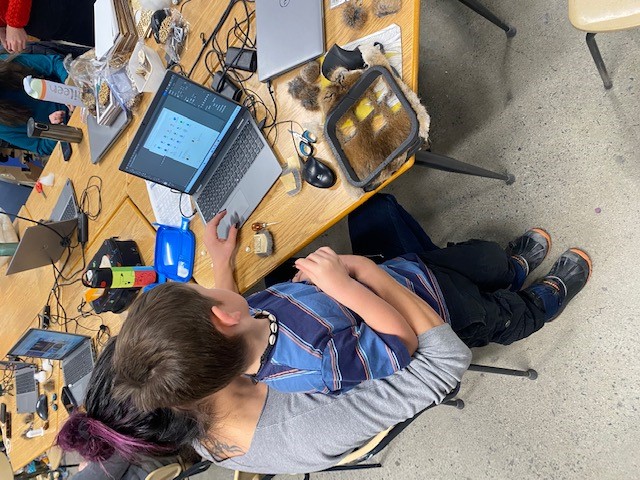
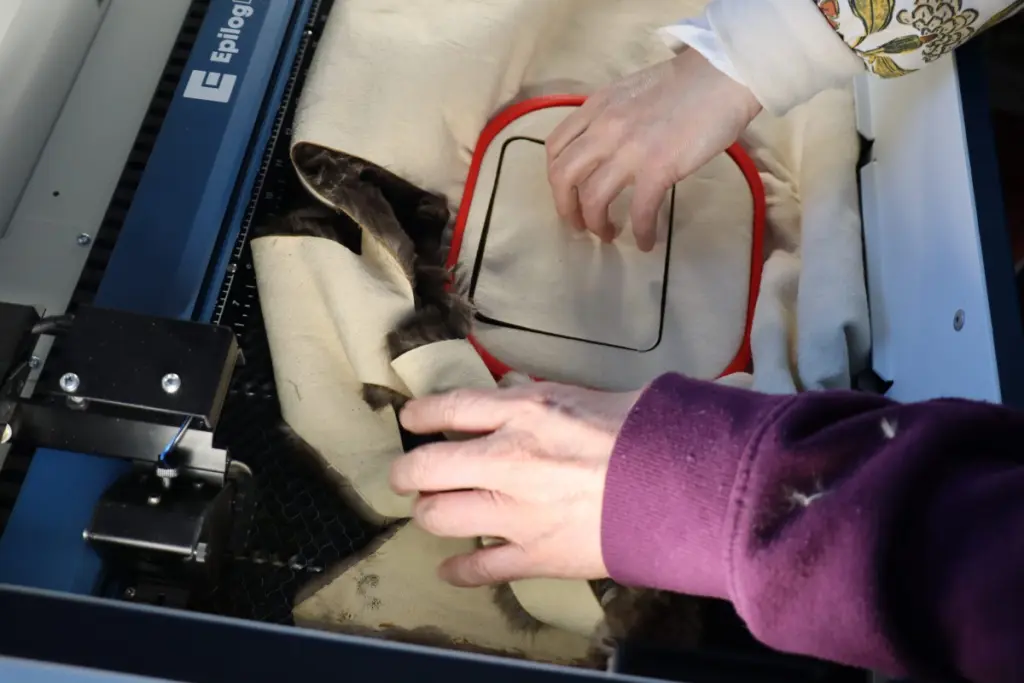
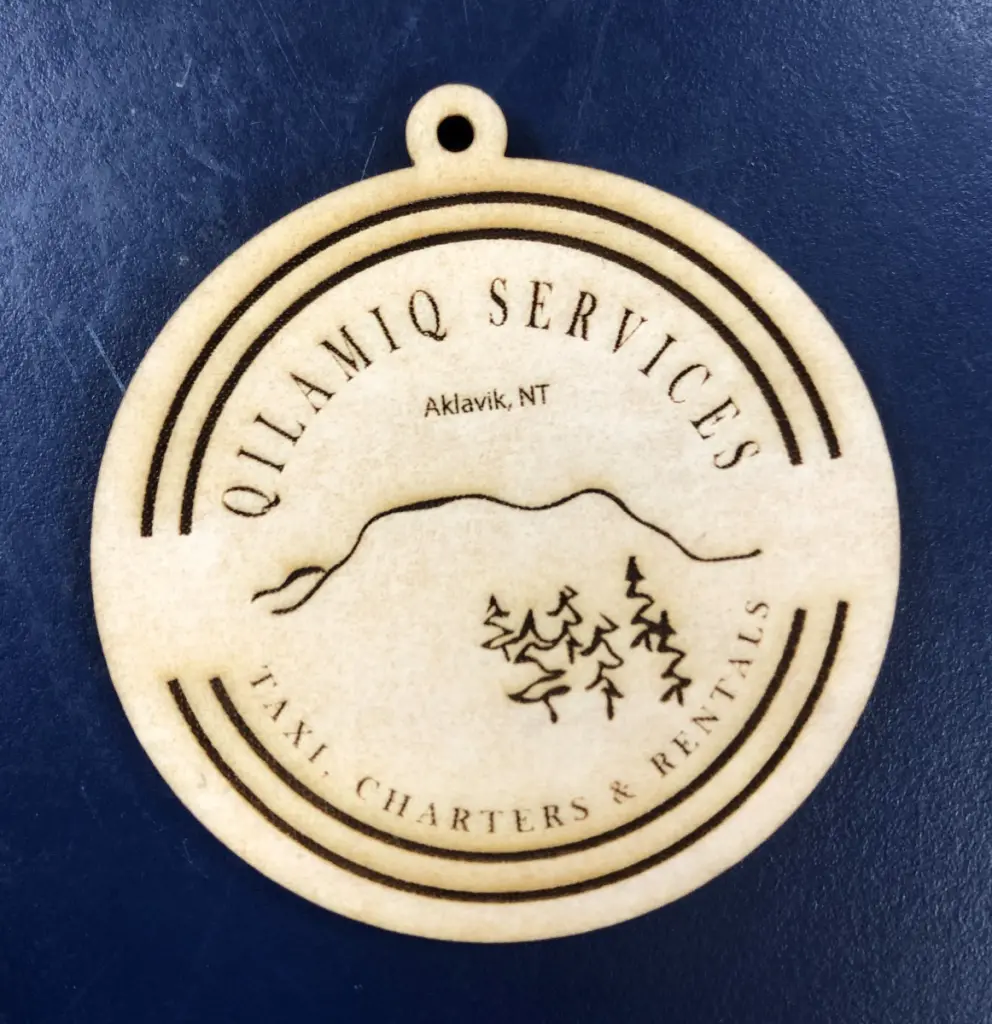
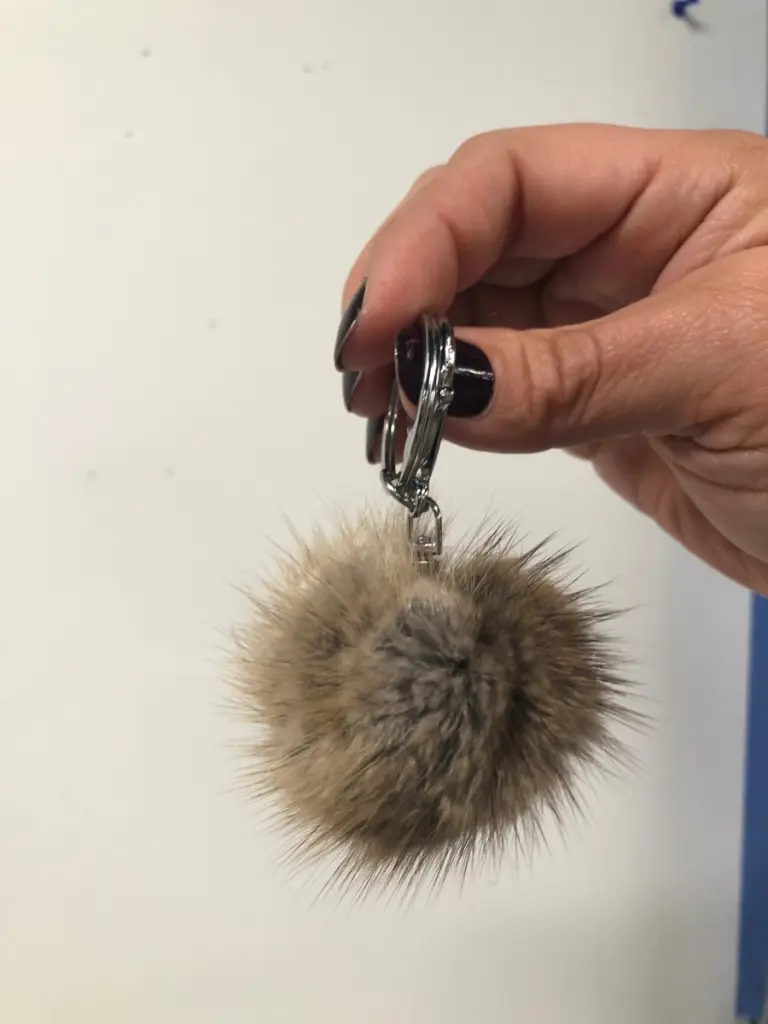
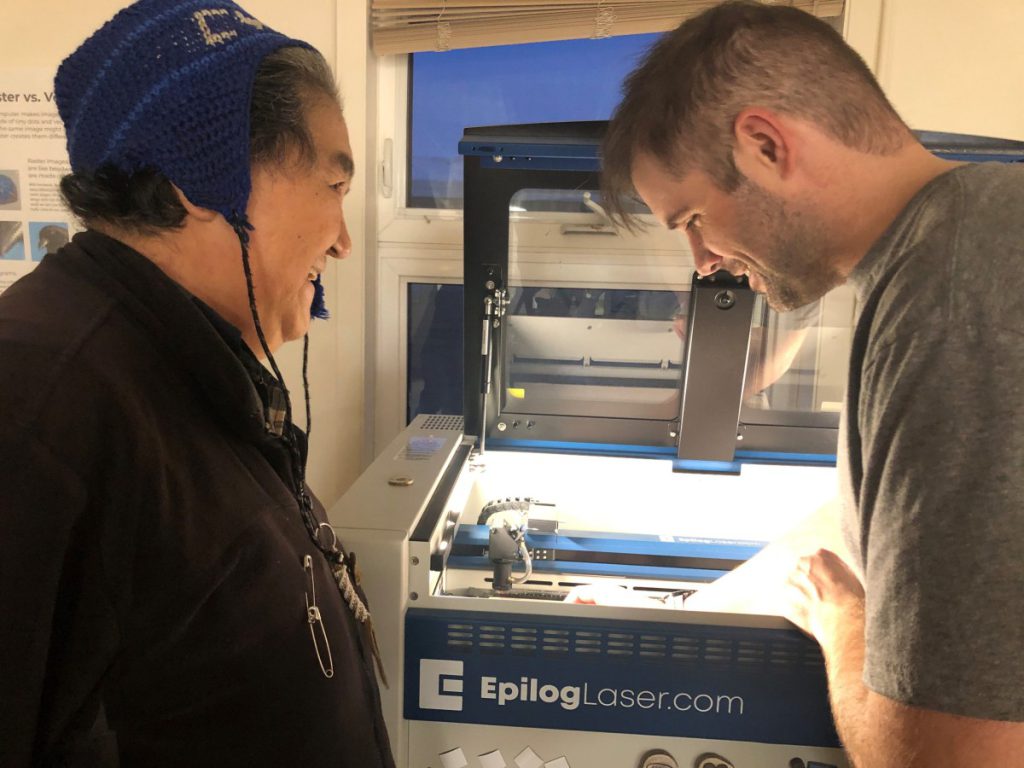
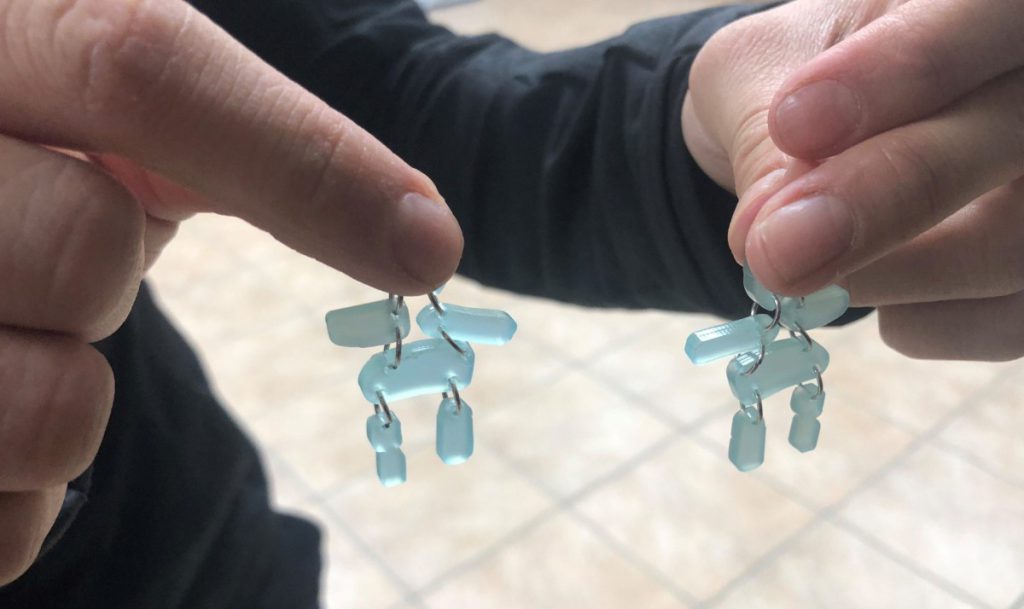
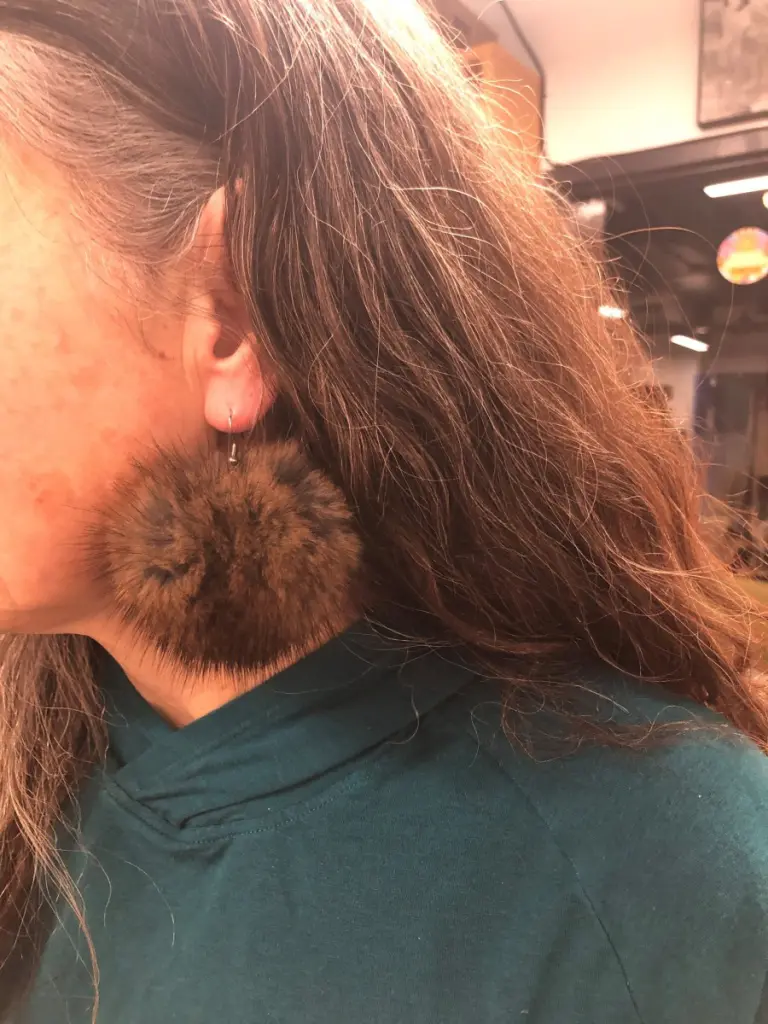
Throughout the year, ARI partnered with community organizations including the Aklavik Community Corporation and Makerspace YK to hold workshops using laser cutters and direct-to-film (DTF) printers to explore the use of regionally available materials like antler, fur, and hide.
Through funding received from the Natural Sciences and Engineering Research Council, ARI was able to purchase and equip communities with laser cutters and direct-to-film printers. This enables experimentation with and customization of commercial goods as well as materials found in and around the Northwest Territories.
Between March and November 2025, workshops were held in Aklavik and Yellowknife, offering learning opportunities to community members in basic digital design skills, laser cutting and engraving, direct-to-film printing, 3D printing, and vinyl cutting and application.
We are excited to see how this experimentation leads creatives, artisans, and entrepreneurs to try new methods and integrate new materials into their practices.
Special thanks to our community partners and all the workshop participants who contributed their experience and ideas.

Building skills and inspiring futures across the NWT

The ARI STEM (science, technology, engineering, and mathematics) Outreach Program is an award winning youth outreach program delivered by four full time staff working out of each of our regional research centres in Inuvik, Yellowknife, and Fort Smith. We provide year-round, free access to science and digital literacy resources across the NWT, helping ensure that every young person and educator, no matter their location, has access to inspiring, hands-on science STEM programming. Beginning in 2016 with one part-time position in one community, the program has grown to expand its offerings to all five regions of the NWT, fostering curiosity, confidence, and opportunity in STEM for northern youth.

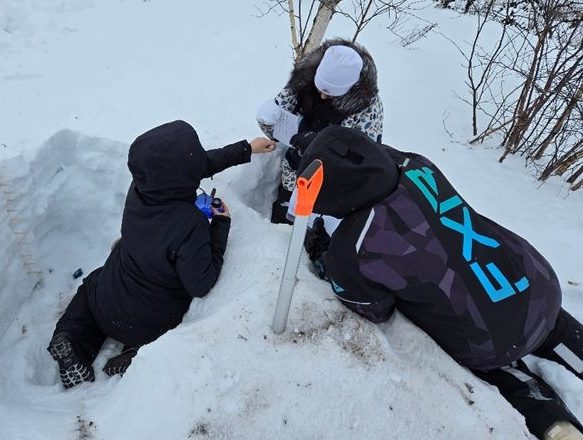
High School students conduct a snow survey on Piers Lake as part of their 10-day Winter Camp. Surveys were sent to GNWT Environment and Climate Change as part of a citizen science project.

Each year, ARI’s STEM Outreach Program engages roughly 8,000 JK-12 students in more than 20 communities. Through a mix of in-person workshops, community events, and remote programming, the team brings science, engineering, digital skills, and problem-solving directly to places where youth gather – classrooms, libraries, youth centres, and on the land programs. This flexible model ensures that all northern students can access the same high-quality learning experiences as those in regional hubs.

A cornerstone of the program is the award winning Train the Teacher, Loan the Gear initiative. When travel isn’t feasible, local educators receive hands-on STEM kits, tailored lesson plans, and ongoing support, all at no cost. This approach has become essential in a territory where travel is expensive and distances are far. Teachers consistently return for new kits each year, demonstrating the program’s value and long-term impact.

Our program is grounded in regional knowledge and issues. From place-based climate education to digital literacy and engineering challenges, youth explore science through meaningful experiences that strengthen identity and reinforce community knowledge and expertise. This includes visits from local professionals working in STEM fields who share their education journey and work experiences, giving youth the opportunity to visualize themselves in these roles in the future.

The program’s impact extends beyond youth. ARI delivers professional development for educators across the territory, offering hands-on training, digital resources, and strategies for inclusive STEM teaching. In February 2026, the team will be delivering five interactive workshops for northern educators at the Northwest Territories Teachers’ Association Teachers Conference on topics ranging from artificial intelligence to environmental monitoring and climate change.
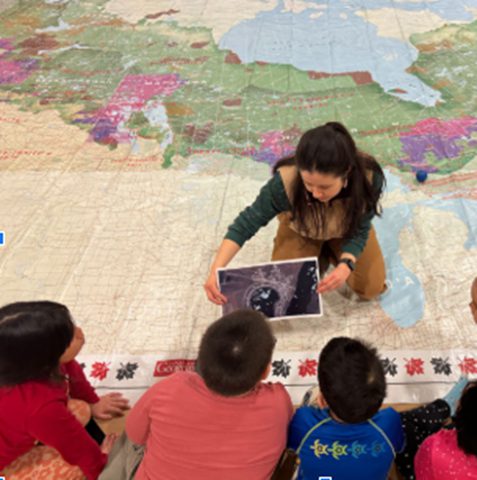
Ulukhaktok youth participat in geography and coding/robotics sessions at Helen Kalvak School. 

Community engagement is central to our program. Events like Science Rendezvous, Community Science Nights, GeoWeek, and partnerships with local organizations bring families and residents into the excitement of STEM. The team brings on summer student staff whenever possible, offering mentorship and workplace training, also ensuring that youth programs are able to be offered year-round.

Backed by strong partnerships, ARI’s STEM Outreach Team connects northern youth with real-world science happening in their own regions. The results are clear: 93% of youth report wanting to learn more about STEM after participating, and 60% say they’re more interested in pursuing STEM in college or university.

In a territory where access to programming can be limited by geography and cost, ARI’s STEM Outreach Team is reshaping what is possible, empowering northern youth to see themselves as scientists, problem-solvers, and future leaders of the NWT.

Northern Health Research Day: projects presented by 4th year Bachelor of Science in Nursing students

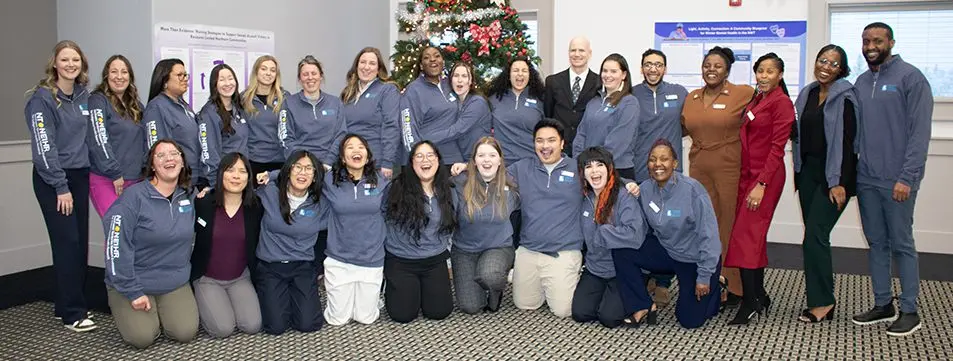
Twenty-six Aurora College Bachelor of Science in Nursing (BSN) students showcased their research posters as part of the annual Northern Health Research Day on December 3, 2025.

The event’s theme this year highlighted the importance of northern health research and its direct impact on delivering quality healthcare to northern communities.

Each year, Aurora College is grateful to partner with leading northern health and wellness organizations, including Hotıì ts’eeda: NWT SPOR SUPPORT, the Institute of Circumpolar Health Research, the College and Association of Nurses in the Northwest Territories, and many other supportive community organizations.

This year’s poster presentation featured fourth-year BSN students presenting research topics ranging from healthcare delivery challenges affecting Black communities to clinical issues and the unique perspectives of Indigenous involvement in the healthcare system. Students were required to focus on a Northern issue pertinent to nursing.

Afternoon highlights included a keynote address by Dr. Christina Marie Chakanyuka, a member of the NWT Métis Nation and Assistant Professor at the University of Victoria. She spoke on “(Re)claiming Indigenous Ways of Knowing, Doing, and Being in Nursing through Intergenerational Mentorship.”

The day concluded with a panel discussion on the importance of culture in Indigenous nursing and research. Speakers included health researcher Taylor Hoggarth, as well as Lianne Mantla-Look, and Aurora College alumni student Jennifer Pitt who are both Registered Nurses (RN) practicing in the North.

Congratulations to Mirian Sopuruchi Iwuji, who won the People’s Choice Award for favourite poster. She won with her presentation called Closing the Gap: Understanding Cervical Cancer Screening Barriers Among Black Immigrant women in the NWT. Mirian’s project focused on the high rates of women who die every year worldwide from cervical cancer, especially Black immigrant women. She explored the many factors that may prevent women, including in the North, from getting screenings done at an earlier stage.


Quote:
“Partnering again with Hotıì ts’eeda and ICHR continues to make Northern Health Research Day a special event. This year, the welcome by Elders Francoise Paulette and Rassi Nashalik and the closing by the Yellowknives Dene Drummers truly enriched the experience for all attendees, not just fourth-year students. Our panel included Northern Indigenous scholars, and our keynote speaker was a nurse with a PhD, conducting important research in the North. These features allow us to show why northern health research is so critical—not just to highlight the BSN program. By showcasing other researchers at this conference, we hope to inspire undergraduate students, as well as those in the Practical Nurse and PSW programs, and demonstrate how a focus on northern research can make a real difference.”

— Jodi Brennan, Chair, School of Health and Human Services


Quick facts:

  • The Aurora College School of Health and Human Services has 106 students enrolled for the 2025-26 academic year.
  • Bachelor of Science in Nursing (BSN) students gain hands-on experience by collaborating with government and non-government organizations on community development and leadership projects.
  • The BSN program’s extensive practice hours and diverse settings equip graduates with the skills needed to thrive in today’s healthcare environment.

Photos:

View our photos from the day here.

Aurora College delivers academic upgrading, trades and industrial training, certificate, diploma and degree programs to students at its three campuses: Aurora Campus (Inuvik), North Slave Campus (Yellowknife), and Thebacha Campus (Fort Smith) in the Northwest Territories. Culturally relevant post-secondary programs reflect Northern traditions, communities, and needs of the Northern labour market. Aurora College’s research division, Aurora Research Institute, conducts and supports applied research in the NWT. Research centres are located in Inuvik, Yellowknife and Fort Smith.

For media inquiries, please contact:
Jayne Murray
Manager, Communications and College Relations
Aurora College
867-872-7021
jmurray@auroracollege.ca

Northern Lakes in a Changing Climate Workshop

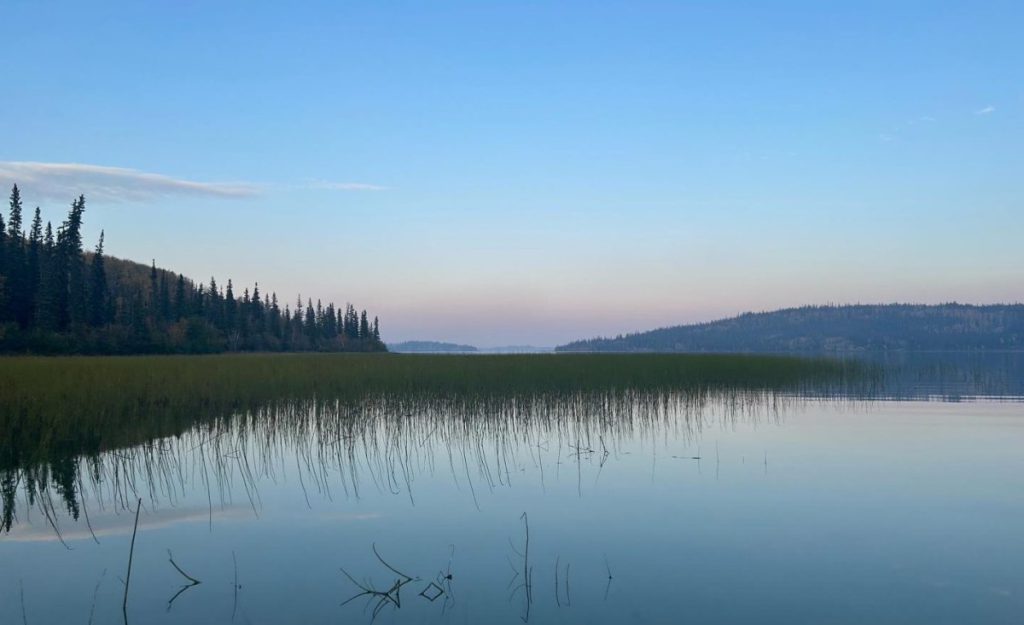
               On Monday, November 24, 2025, the North Slave Research Centre (NSRC), the Yellowknife branch of the Aurora Research Institute (ARI), hosted the Northern Lakes in a Changing Climate Workshop. The workshop highlighted the vital role lakes play in cultural, subsistence, and recreational life, as well as the growing pressures they face from climate change, municipal development, and industrial activities. It provided a platform for sharing new research and fostering dialogue between scientists and the people and organizations whose decisions shape the future of water resources in the Northwest Territories.

               Presentations at the workshop spanned a diverse range of topics, including long-term trends in ice and snow cover, the impacts of permafrost thaw on small lakes, emerging concerns about broad-scale eutrophication, and the legacy effects of historical mining on lake chemical and biological recovery. Sessions were complemented by discussions on how new findings could inform decision-making across the region, providing an important opportunity for collaboration and knowledge exchange. The workshop highlighted both emerging and persistent threats to northern lakes and set the stage for continued research and engagement.

               The event was organized collaboratively by the NSRC (Aurora Research Institute, Aurora College), the Paleoenvironmental Research Group (York University), and the Engineering Sustainable Change Research Group (Queen’s University), with funding support from the ArcticNet Northern Research Leaders Program. The event was attended by researchers and students from the organizing groups, as well as representatives from Canada Water Agency, City of Yellowknife Public Works and Engineering, Crown-Indigenous Relations and Northern Affairs Canada, Environment and Climate Change (GNWT), Dechı̨ta Nàowo (Yellowknives Dene First Nation), Giant Mine Oversight Board, Health and Social Services (GNWT), Mackenzie Valley Environmental Impact Review Board, Mackenzie Valley Land and Water Board, McGill University, North Slave Metis Alliance, Northwest Territories Geological Survey, Rio Tinto, University of Alberta, and University of Saskatchewan.

Strengthening Research Capacity: RSO’s Impact at Aurora College

The Research Services Office (RSO) was established at Aurora College in the research division, Aurora Research Instituted (ARI). As it builds research capacity across Aurora College, it is supported with three research centres:

  • Western Arctic Research Centre (Inuvik)
  • North Slave Research Centre (Yellowknife)
  • South Slave Research Centre (Fort Smith)

Under the Director of Research Services there are 10 staff positions, which include compliance for research ethics, animal care, as well as key roles to coordinate research grants and to facilitate research development. The RSO works in collaboration with research data management which is staffed out of the College Library services.

The Vice President Research oversees the RSO, in particular with all staff reporting directly to them in the absence of the Director. Starting in 2024, the RSO was able to capture funds for the newly designed Grants and Awards Program which had previously flowed to external researchers. Aurora College also was recently awarded a federal Natural Sciences and Engineering Research Council Mobilize grant.

The RSO is currently implementing several key initiatives to provide effective services. These proactive approaches help ensure that the RSO provides relevant supports to uphold a strong Aurora College research community environment.

System modernization: RSO staff are exploring how the existing ROMEO research data management system can be replaced with a custom-designed and in-house-managed platform so that processes such as project tracking, metrics reporting, and data retention can be improved.

Funding successes: The RSO is happy to report the successful distribution of $50,000 in support through its Aurora College Grants and Awards Program for the 2025-2026 fiscal year, and $308,500 through its Mobilize Grant Program since its initiation in 2024. Aurora Research Institute and Aurora College researchers in all centre communities have received funding through these programs for diverse projects including assessing climate change effects on legacy mining-impacted landscapes around Yellowknife, equipment purchases for community-partnered water monitoring efforts at Tsu Lake, and knowledge mobilization activities on ARI-led and co-led research and monitoring programs around the Beaufort Delta Region.

Process improvements: The RSO is developing a dedicated SharePoint site for the college’s research division. This site will serve as a central hub, providing important resources to support pre- and post-award grant funding activities. The goal is to provide easy access to research-related documents such as program guides, institutional policies and procedures, and research project setup and reporting forms.

ARI Research Plan: Adding the development of a Research Plan, with measurable metrics, as a replacement for a stand-alone strategic plan, better aligns the research division within the College’s strategic pillars. Like the Academic Plan, the Research Plan will be an evergreen document to advance research across Aurora College.

Research Data Management (RDM) and Research Security (RS): These are topics that are also advancing through the RSO. While not mandated by the Tri-Agencies, the College is leading the adoption and implementation of RDM and RS at the College so that it is ready for the next generation of Artificial Intelligence and research collaborations.

INNOVATE – a new direction for Inuvik’s makers and artists  

INNOVATE – Inuvik’s newest Makerspace and Digital Media Marketing Studio – is being revitalized by a team of three bright and eager new staff members. Recent renovations reflect a change in vision for the facility. What began as a Technology Access Centre, where community entrepreneurs could experiment with prototypes and new technologies, has evolved into a community-focused makerspace and digital marketing and media studio. INNOVATE today is a place where community makers feel welcome and have the opportunity to help others learn and design with our high-tech tools. Applications are now open online for 2026-2027.

Recent upgrades include a new interior layout with signage that makes it easier for users to locate the creative activities they wish to practise. New QR-code-based membership cards and a more prominent front desk with friendly, knowledgeable staff help direct visitors to all activities available as soon as they walk in the door.

Upon arrival, visitors will also notice our equipment is better labelled. All equipment is now marked with informative labels and QR-codes which connect users to a database of local tips left by other members. These upgrades aim to help builders discover tools we have available, what they do and how to properly use them.

Other new features at INNOVATE include a new membership pricing structure that makes the facility more accessible to busy, part-time designers who only drop in occasionally.

Looking ahead, INNOVATE’s guiding goal is to build stronger relations between Aurora College and other partners including the Town of Inuvik, the Inuvialuit Regional Corporation and the Gwich’in Tribal Council. Stronger ties with our community partners will ensure the sustainability of the centre, will attract and keep highly skilled and dedicated staff, and continue building a community of builders in the Inuvik region.

 By developing a community of applied makers, INNOVATE is contributing to economic activity in Inuvik and the surrounding region and advancing the regional economy. Aurora College will be working with INNOVATE staff, local governments, centre members and other interested parties, to establish clubs that are well-vetted with knowledgeable members can take on some responsibility for equipment upkeep, database of maintenance records and other outstanding needs.

To learn more, please visit INNOVATE – Centre for Arts, Crafts and Technology – INNOVATE Centre for Arts, Crafts and Technology | Aurora Research Institute


South Slave Research Centre: Growing Food Capacity and Resilience in Changing Times

The South Slave Research Centre (SSRC), located at the Thebacha Campus of Aurora College in Fort Smith, was established in 1991 to support research and community engagement in the South Slave region. SSRC has a small but passionate team that believes that the NWT’s collective capacity can be increased through collaborative research.

SSRC works with local Indigenous governments and other community organizations to create opportunities that will support their priorities, which can include, for example, sustainable food security or climate change initiatives. Part of the role of SSRC also includes working with fellow researchers from southern Canada who share our commitment to making a difference.

Over the last several years, we have been working to raise the importance of food security and food sovereignty in a changing climate.  People in Fort Smith express concern about how food from the land is changing. Some of those concerns include berries becoming scarcer, forest habitats being impacted by fire, and low water levels affecting fish.  They also worry about the rising cost of food and low quality of produce, and our over-dependence on one road to supply trucked-in food. 

In recent years, SSRC has been involved with working among 11 regional groups worked to build a collaborative framework through a project called the Boreal Berry Patch Collective. Funded by Indigenous Services Canada’s Climate Change Health Adaptation Program, collective aims to meet the long-term goal of improving food security.  The project has involved planting lots of berries in the community and more than 250 berry shrubs and fruit trees. Additionally, the collective has carried out over numerous workshops and events aimed at promoting food self-sufficiency. 

This recent work has many positive returns that have generated additional spin-off projects and partnerships.  For example, over the last two years, the Fort Smith Community Garden has become a site for workshops, research, and a place to build community involvement around improving local food.  In 2025, a Food Bank Plot was started to give back to the community. That project led to attracting citizen volunteers who help maintain the plot.  

Strawberries and other crop growth

Other collaborative research projects have also borne fruit in the region! In 2024, SSRC developed a project with Sambaa K’e First Nation First Nation (Trout Lake) and Northern Roots Consulting (Yellowknife) to gather data around best practices for growing strawberries in the NWT.  Trials continued at the community garden in 2025, and it is hoped that this type of research will lead to the study of other ‘novel crops’ that may be able to thrive in a changing climate.   

To that end, SSRC is working on a proposal to expand research that will build knowledge on best practices for growing food in cold climate greenhouses and perennial crop production.

Looking ahead, SSRC is excited to be working with the Future Harvest Partnership, a multi-year project that was developed to carry out research to build climate-resilient local food systems in the Northwest Territories. A collaboration between Wilfrid Laurier University, the Territorial Agrifood Association and the Government of the NWT Department of Industry, Tourism, and Investment that is funded through Social Sciences and Humanities Research Council (SSHRC), the Future Harvest Partnership is supporting important food security research, including food systems planning with Indigenous governments and community organizations.